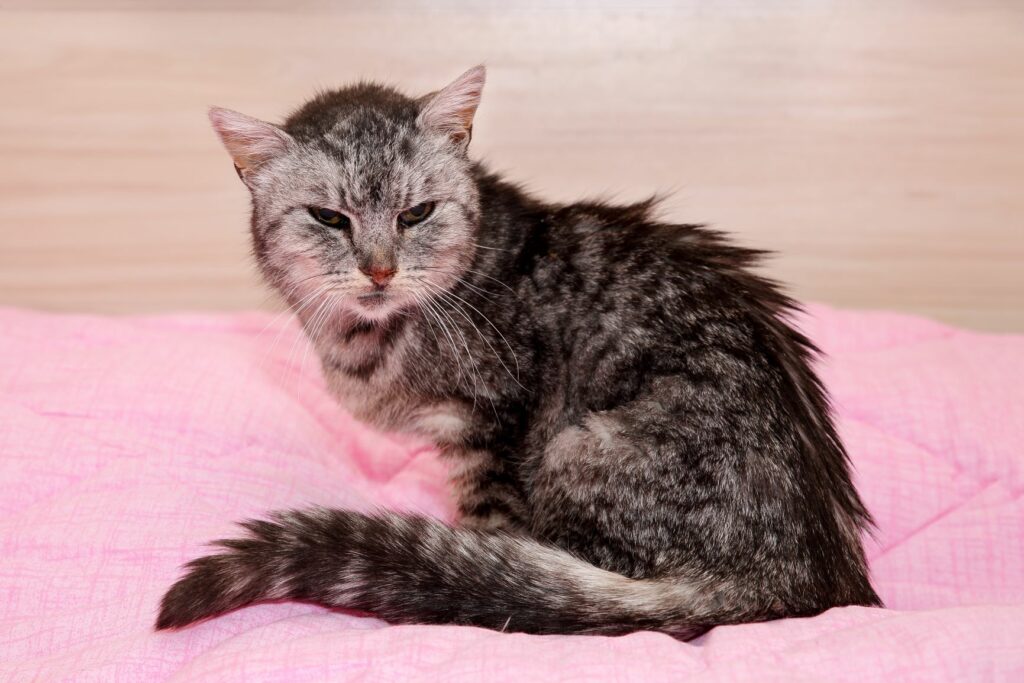
Feline hypertension is a common condition in cats, especially in older individuals. It can be primary (idiopathic) or secondary to other systemic diseases. Early detection is essential to prevent damage to vital organs and improve the patient’s quality of life.
Symptoms of Feline Hypertension
Clinical signs may vary depending on the affected organs. Some of the most common symptoms include:
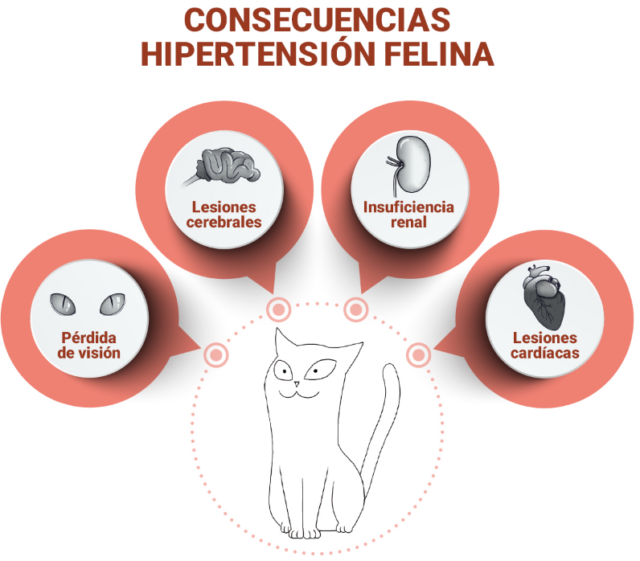
- Ophthalmological: Intraocular hemorrhages, retinal detachment, and sudden blindness.
- Neurological: Disorientation, behavioral changes, seizures, or ataxia.
- Cardiovascular: Murmurs, tachycardia, or left ventricular hypertrophy.
- Renal: Polyuria, polydipsia, and weight loss.
- Epistaxis
Related Diseases
Secondary hypertension is more common and is usually associated with diseases such as:
- Chronic kidney disease (CKD).
- Hyperthyroidism.
- Diabetes mellitus.
- Pheochromocytomas or hyperaldosteronism.
When to Monitor Blood Pressure
Periodic monitoring is recommended in:
- Cats over 7 years old, as part of geriatric check-ups.
- Patients diagnosed with CKD, hyperthyroidism, or diabetes.
- Cats with signs compatible with hypertension.
- Animals undergoing treatment with medications that may affect blood pressure.
Diagnosis and Blood Pressure Measurement
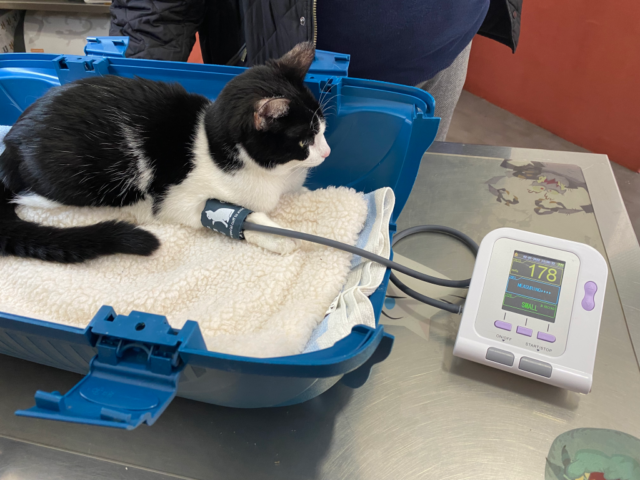
Blood pressure in cats should be measured in a calm environment to minimize the “white coat effect.” The recommended methods include:
- Doppler: Considered the most reliable method in feline practice.
- Oscillometric: Can be used, though less accurate in small or anxious cats.
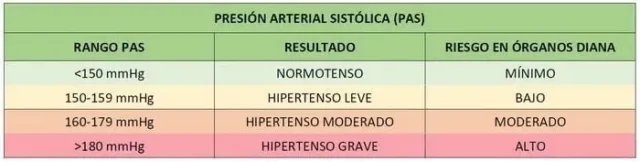
It is advisable to take multiple measurements (at least 5) and discard extreme values. The blood pressure ranges are:
- Normal: < 140 mmHg (systolic).
- Prehypertension: 140-159 mmHg.
- Mild-moderate hypertension: 160-179 mmHg.
- Severe hypertension: ≥ 180 mmHg.
Blood pressure is measured at the base of the tail or a distal limb using a cuff appropriate for the patient’s size.
Treatment
The goal of treatment is to lower blood pressure and prevent organ damage. Options include:
- Amlodipine: A calcium channel blocker and the first-line treatment for cats. The recommended initial dose is 0.125-0.25 mg/kg/day. After 14 days of treatment, the dose can be doubled or increased up to 0.5 mg/kg once daily if an adequate clinical response is not achieved.
- Telmisartan: An angiotensin II receptor antagonist, particularly useful in hypertension secondary to CKD. The recommended initial dose is 2 mg of telmisartan/kg body weight (0.2 ml/kg). After 4 weeks, the telmisartan dose may be reduced in cats with systolic blood pressure (SBP) below 140 mmHg (in fractions of 0.5 mg/kg) at the veterinarian’s discretion. If SBP increases over the course of the disease, the daily dose may be increased again up to 2 mg/kg.
- Low-sodium diet: Can be a useful adjunct.
- Control of underlying diseases: Such as CKD or hyperthyroidism.
Prognosis
The prognosis depends on the underlying cause and the speed at which treatment is initiated. If controlled in time, many cats can maintain a good quality of life. However, if severe organ damage is present, the prognosis may be guarded.
Feline hypertension is a manageable condition with early diagnosis and appropriate treatment. Regular monitoring is key to preventing complications and improving patient well-being.