
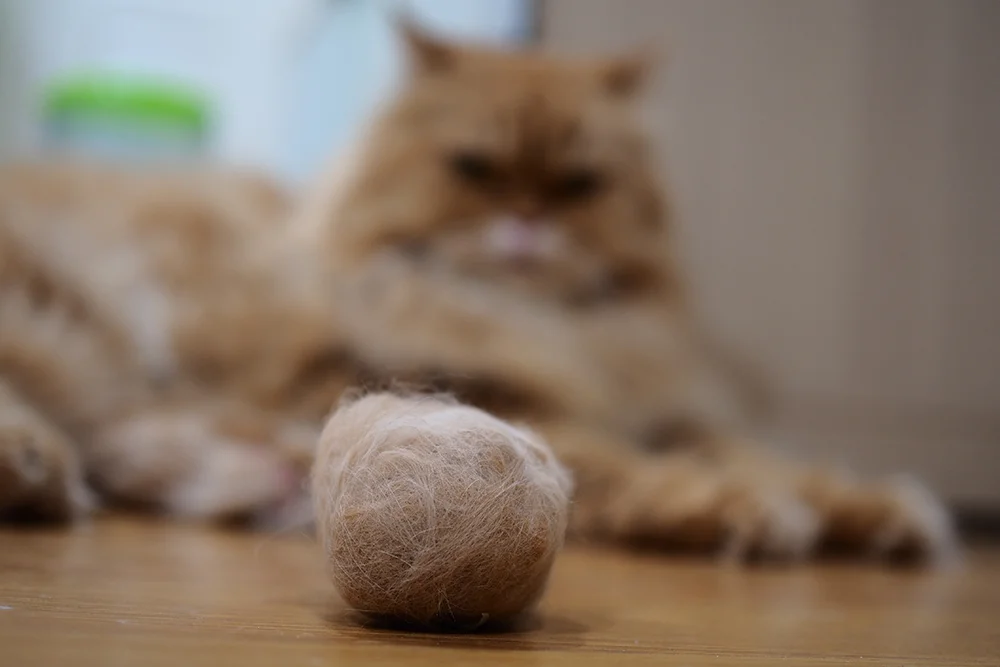
Hairballs (trichobezoars) are accumulations of ingested hair in cats’ gastrointestinal tract. Although common, especially in long-haired cats, they can pose a risk if not properly managed. Below I explain their causes, dangers, symptoms, treatment, and prevention strategies.
Why do hairballs form?
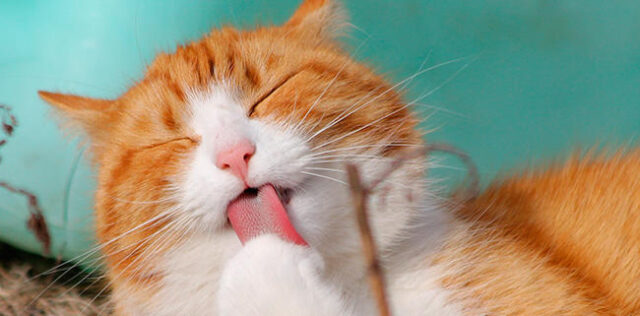
Cats are very clean animals and spend much of the day grooming themselves. As they lick, their rough tongue papillae catch loose hair, which is inevitably swallowed. Normally, the ingested hair passes through the digestive tract and is eliminated in the feces. However, when too much accumulates or intestinal transit is altered, hairballs form.
Dangers of hairballs
While occasionally expelling hairballs is normal, they can cause serious health problems:
-
Partial or complete gastrointestinal obstruction, which may require surgical intervention.
-
Gastric irritation or inflammation.
-
Frequent vomiting that can lead to dehydration or weight loss.
-
Anorexia or lethargy due to abdominal discomfort.
In long-haired cats or those with intestinal motility issues (like megacolon), the risk is higher.
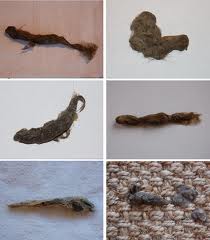
Symptoms of problematic hairballs
Signs that may indicate a more serious problem include:
-
Recurrent or unproductive vomiting (trying to expel without success).
-
Dry cough or frequent retching.
-
Constipation or diarrhea.
-
Loss of appetite.
-
Lethargy or behavioral changes.
-
Abdominal pain.
If the cat cannot expel the hairball and shows these symptoms, it’s important to see a veterinarian.
Treatment
Treatment depends on severity:
-
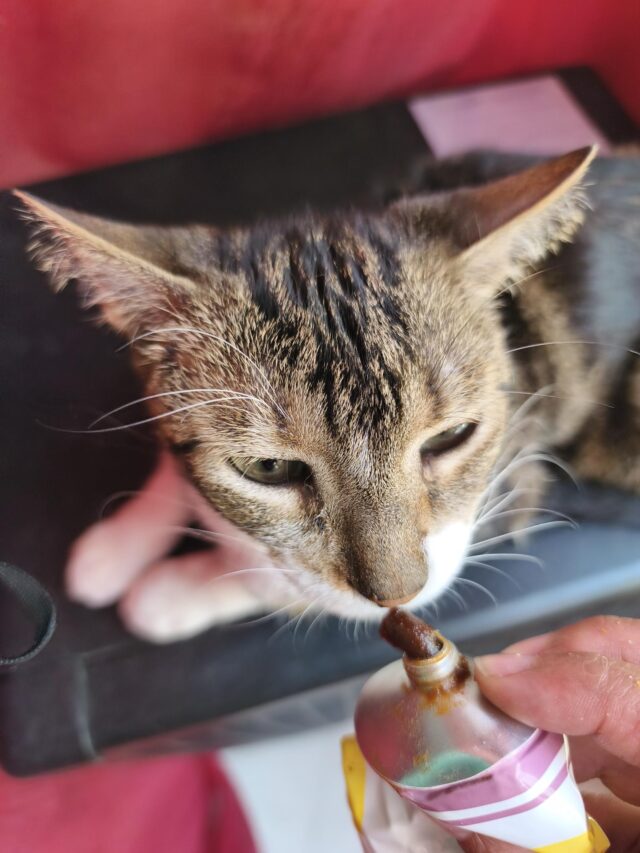
In mild cases: specific cat laxatives (like lubricant pastes) that help move the hair along.
-
Hydration and a fiber-rich diet to improve intestinal transit.
-
In severe obstructions: hospitalization for fluid therapy, medication, or surgery to remove the foreign body.
Never use human laxatives or home remedies without consulting your veterinarian.
Prevention
Prevention is key to reducing hairball formation:
-
Regular brushing: especially for long-haired cats. Helps remove loose hair before it’s ingested.
-
Proper diet: there are foods formulated with more fiber to aid intestinal transit and reduce hair accumulation.
-
Hairball prevention paste or gel: veterinary products that lubricate the digestive tract and facilitate elimination.
-
Encourage hydration: always provide fresh water and wet food to support digestive health.
-
Veterinary checkups: to rule out diseases affecting gastrointestinal transit (chronic constipation, intestinal inflammation, etc.).
Conclusion
Although hairballs are a common problem in cats, they can be easily prevented and treated if detected early. A brushing routine, proper diet, and monitoring of symptoms are essential to keeping cats healthy and comfortable. If you suspect your cat has a hairball obstruction or shows worrying symptoms, always consult your veterinarian.