

Congenital diseases in cats are related to genetic factors that are passed down from generation to generation within certain breeds. Some of these diseases can be diagnosed early and, in some cases, treated. Below are some of the most common conditions associated with specific breeds, along with their symptoms, diagnostic methods, and possible treatments.
1. Hypertrophic Cardiomyopathy (HCM)
- Affected breeds: Maine Coon, Ragdoll, British Shorthair
- Symptoms: Respiratory difficulty, lethargy, exercise intolerance, syncope, aortic thromboembolism
- Diagnosis: Echocardiography, electrocardiogram, thoracic radiography, genetic testing (MYBPC3 gene mutations)
- Treatment: Beta-blockers, angiotensin-converting enzyme inhibitors (ACEIs), anticoagulants in cases at risk of thromboembolism
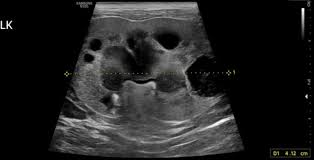
2. Polycystic Kidney Disease (PKD)
- Affected breeds: Persian, Exotic Shorthair, Himalayan, British Shorthair
- Symptoms: Polyuria, polydipsia, weight loss, vomiting, hypertension
- Diagnosis: Renal ultrasound, genetic testing (PKD1 gene mutation)
- Treatment: Symptomatic management with renal diets, blood pressure control, and fluid therapy in advanced stages
3. Pyruvate Kinase Deficiency
- Affected breeds: Abyssinian, Somali
- Symptoms: Intermittent hemolytic anemia, weakness, lethargy, splenomegaly
- Diagnosis: Genetic testing, blood smear (spherocytosis, anisocytosis), enzymatic tests
- Treatment: Symptomatic management, transfusions in severe cases, bone marrow transplant in extreme situations
4. Progressive Retinal Atrophy (PRA)
- Affected breeds: Abyssinian, Bengal, Ocicat
- Symptoms: Progressive vision loss, difficulty moving in the dark, increased tapetal reflex
- Diagnosis: Electroretinography, genetic testing
- Treatment: No curative treatment exists; it is recommended to adapt the environment for cats with progressive vision loss
5. Hip Dysplasia
- Affected breeds: Maine Coon, Siamese
- Symptoms: Limping, difficulty jumping, hip pain, muscle atrophy
- Diagnosis: Hip radiographs under sedation
- Treatment: Pain management with anti-inflammatories, weight control, physiotherapy, surgery in severe cases
6. Ehlers-Danlos Syndrome (Feline Dermatoporosis)
- Affected breeds: Devon Rex, Sphynx
- Symptoms: Hyperelastic and fragile skin, tendency to develop wounds and bruises easily
- Diagnosis: Clinical evaluation (hyperelastic and fragile skin), skin biopsy
- Treatment: Symptomatic management with collagen supplements and wound care
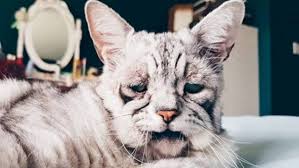
7. Lysosomal Storage Disease (GM1 and GM2 Gangliosidosis)
- Affected breeds: Siamese, Korat
- Symptoms: Progressive neurological deterioration, ataxia, muscle weakness, seizures
- Diagnosis: Genetic testing, enzymatic analysis
- Treatment: No curative treatment exists; neurological deterioration is managed palliatively
8. Congenital Hydrocephalus
- Affected breeds: Siamese, Burmese
- Symptoms: Disproportionately large head, ataxia, seizures, lethargy
- Diagnosis: Magnetic resonance imaging, computed tomography
- Treatment: Symptomatic management with diuretics (acetazolamide), ventriculoperitoneal shunt in severe cases
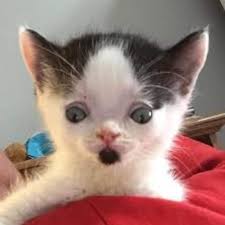
9. Congenital Patellar Luxation
- Affected breeds: Devon Rex, Abyssinian
- Symptoms: Intermittent limping, abnormal walking posture, difficulty jumping
- Diagnosis: Orthopedic examination, radiographs
- Treatment: Management with anti-inflammatories and physiotherapy; surgery in severe cases
10. Cerebellar Hypoplasia
- Affected breeds: Can affect any breed, but has been reported in Persians and Bengals
- Symptoms: Intention tremor, ataxia, lack of coordination, jerky movements
- Diagnosis: Neurological evaluation, magnetic resonance imaging
- Treatment: No curative treatment exists; the environment is adapted and supportive care is provided
Conclusion
Congenital diseases in cats can significantly affect their quality of life. Early diagnosis through genetic testing and specific exams is key to appropriate management. Responsible breeding is essential to reduce the incidence of these conditions in feline populations.