
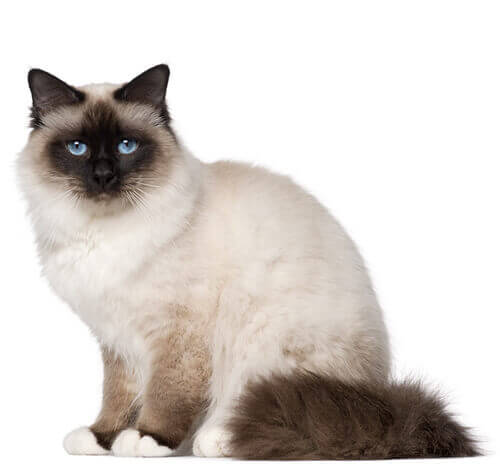
The feline orofacial pain syndrome (FOPS) is an uncommon but very painful disorder that affects some cats. It is a neurological condition associated with an alteration in pain perception, leading to self-mutilation behaviors and intense discomfort in the oral cavity. Its diagnosis and management can be a real challenge for both veterinarians and caregivers.
What causes feline orofacial pain syndrome?
The exact origin of FOPS is not yet fully understood. What is known so far is that it is related to a neuropathic pain disorder affecting the trigeminal nerve, responsible for sensation in the face and mouth.
Possible triggering factors have been studied:
-
Primary oral pain (e.g., dental disease or stomatitis) acting as an initial stimulus.
-
Neurological factors, with a basis of central hypersensitivity.
-
Stress factors or anxiety that may worsen the symptoms.
There does not seem to be a single infectious or inflammatory cause that explains all cases.
Breed predisposition
The breed most associated with FOPS is the Burmese cat, in which a higher genetic predisposition has been described. However, the disease can occur in cats of any breed, age, or sex.
Most common symptoms
Affected cats often display striking and distressing behaviors, including:
-
Self-mutilation: chewing, licking, or intensely scratching lips, tongue, or inside of the mouth.
-
Bruxism (teeth grinding).
-
Compulsive mouth movements.
-
Excessive salivation.
-
Difficulty eating or refusal of food.
-
Oral bleeding or lesions on lips and tongue due to self-trauma.
Signs are usually intermittent, sometimes coinciding with stress, and may vary in intensity.
Diagnosis
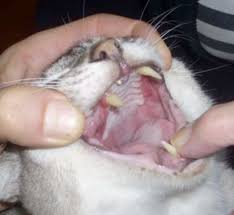
The diagnosis of FOPS is based on clinical history, physical examination, and exclusion of other causes of oral pain, such as:
-
Periodontal disease.
-
Feline stomatitis.
-
Oral neoplasms.
-
Foreign bodies.
Additional tests are often required (dental radiographs, blood tests, CT, MRI) to rule out other pathologies.
Treatment
Treatment is symptomatic and multimodal, aiming to control neuropathic pain and reduce the impact of stress.
1. Neuropathic pain control
-
Gabapentin: 5–10 mg/kg every 8–12 h.
-
Pregabalin: 1–2 mg/kg every 12 h.
These are the drugs of choice for neuropathic pain.
2. Additional analgesics and anti-inflammatories
Although not always sufficient on their own, they may help in acute phases or when oral disease coexists:
-
Meloxicam: 0.05 mg/kg every 24 h (first dose), followed by 0.025 mg/kg/day PO.
-
Robenacoxib: 1–2 mg/kg every 24 h PO.
-
Buprenorphine (opioid): 0.01–0.02 mg/kg every 8–12 h buccal or IM.
3. Dental management
-
Dental extractions if there is periodontal disease or resorptive lesions acting as painful stimuli.
4. Stress and anxiety management
Reducing the emotional component is key. This can be achieved with:
-
Feline pheromones (Feliway® diffuser or spray).
-
Environmental enrichment: scratching posts, hiding places, interactive toys, predictable routines.
-
Avoiding sudden changes in the environment.
-
Anxiolytic or antidepressant drugs, when environmental control is not enough:
-
Fluoxetine: 0.5–1 mg/kg PO every 24 h.
-
Clomipramine: 0.25–0.5 mg/kg PO every 24 h.
-
Alprazolam: 0.125–0.25 mg/cat PO every 8–12 h (for acute anxiety crises).
-
5. Supportive care
-
Soft diet to reduce discomfort.
-
Oral hygiene adapted to the cat’s condition.
-
Treat secondary lesions on lips and tongue.
There is no definitive curative treatment, and the goal is usually to control symptoms to improve the cat’s quality of life.
Prognosis
The prognosis is guarded. Some cats respond well to medication and may live a practically normal life with proper management. Others, however, suffer frequent relapses or only partial control of symptoms.
In severe cases, pain can be difficult to manage, representing a major challenge for veterinarians and caregivers.
Prevention
There is no clear way to prevent feline orofacial pain syndrome, as its origin is mainly neurological. However, some measures may help reduce factors that worsen the condition:
-
Maintain good dental health and attend regular check-ups.
-
Reduce environmental stress: stable routines, quiet spaces, environmental enrichment.
-
Visit the veterinarian at the first sign of oral pain to act as soon as possible.
👉 Feline orofacial pain syndrome is an uncommon but very painful disease. Recognizing its symptoms and quickly visiting the veterinarian is essential to improving the quality of life of affected cats.