On January 2, 2025, Spain’s Royal Decree 666/2023 came into force, establishing new regulations on the prescription, distribution, and use of veterinary medicines to combat antimicrobial resistance. This regulation has sparked significant reactions among veterinary professionals and pet owners due to its implications for clinical practice and animal welfare.
Key Provisions of Royal Decree 666/2023
The regulation introduces several key measures:
-
Mandatory Prescription Registration: Veterinarians must record each antibiotic prescription in an electronic platform called PRESVET or its regional equivalents.
-
Ban on Direct Sale of Medicines in Clinics: Veterinary clinics can no longer dispense medications directly to pet owners, who must purchase them from authorized pharmacies.
-
Tiered Use of Antibiotics: A protocol requires veterinarians to prescribe less potent categories of antibiotics first, moving to stronger ones only if necessary and after conducting a culture test.
Veterinarians’ Reactions
The implementation of this regulation has sparked criticism and concerns in the veterinary sector:
-
Administrative Overload: The obligation to register each prescription in PRESVET has been described as an excessive administrative burden that could slow down clinic operations and compromise treatment efficiency.
-
Limitations on Clinical Practice: Veterinarians have expressed concerns that strict prescription protocols limit their clinical judgment and may delay urgent treatments, putting pet health at risk.
-
Disproportionate Penalties: The regulation includes fines of up to €1,200,000 for non-compliance, raising concerns among professionals about the severity of the penalties.
Impact on Pet Owners
Pet owners have also been affected by the new regulations:
-
Difficulties in Obtaining Medications: The ban on direct medicine sales in clinics forces owners to find pharmacies that dispense veterinary medications, potentially delaying treatments and increasing costs.
-
Risk of Self-Medication: Purchasing full packs of antibiotics from pharmacies could encourage owners to self-medicate their pets, increasing the risk of antimicrobial resistance.
Response from the Pharmaceutical Sector
The Spanish Federation of Pharmaceutical Business (FEFE) has supported the regulation, emphasizing that medicine dispensing should be carried out exclusively by pharmacists to ensure professional independence and avoid conflicts of interest.
Veterinary Sector Protests and Demands
In response to the regulation, the veterinary sector has undertaken various actions:
-
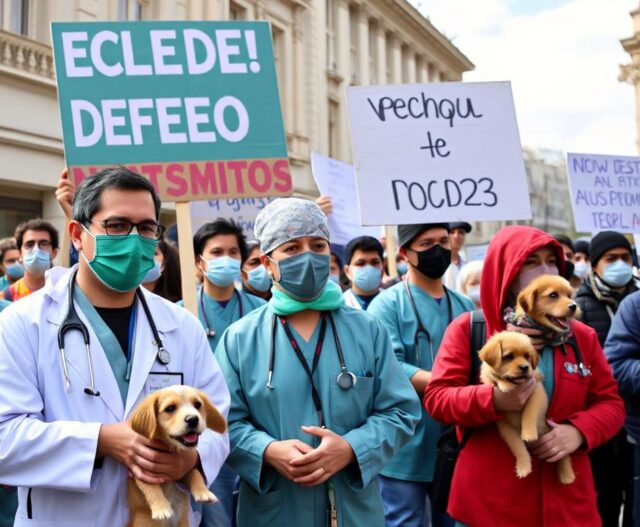
Strikes and Demonstrations: Protests have been organized in different regions, including a national demonstration scheduled for March 5 in Madrid, demanding a review of the regulation.
-
Proposals for Amendments: Veterinarians are requesting the ability to dispense full treatments by splitting clinical packaging, revising medicine technical sheets, and eliminating penalties they deem excessive.
Conclusion
Royal Decree 666/2023 has sparked a significant debate in Spain’s animal health sector. While authorities aim to combat antimicrobial resistance, veterinarians and pet owners express concerns about the practical implications of the regulation and its impact on animal welfare. Dialogue among all involved parties will be crucial to reaching a balance that ensures both public health and effective veterinary care.