
What is pyometra?
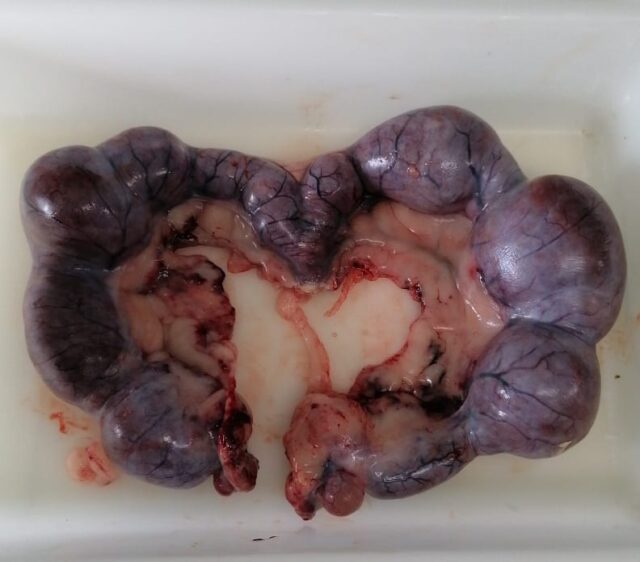
Pyometra is a serious bacterial infection of the uterus that mainly occurs in unspayed female dogs and cats. This condition is potentially life-threatening if left untreated, as it can lead to sepsis, kidney failure, or even death. Pyometra occurs when the uterus fills with pus due to a hormonal imbalance after several heat cycles without pregnancy.
Causes
The main cause of pyometra is repeated exposure to hormones like progesterone during heat cycles. After each cycle, high progesterone levels stimulate the uterine glands to create a suitable environment for embryo implantation. However, in females that do not become pregnant, this environment fosters the proliferation of bacteria. The bacterium E. coli is one of the most common agents that contribute to this infection.
Types of Pyometra
There are two forms of pyometra:
- Open pyometra: The cervix is open, allowing pus to drain through the vulva. The most evident signs are foul-smelling vaginal discharge.
- Closed pyometra: The cervix is closed, preventing the pus from escaping. This form is more dangerous, as the pus remains trapped in the uterus, causing rapid intoxication of the body.
Symptoms
The symptoms of pyometra vary depending on the stage of the disease and whether the cervix is open or closed. Common signs include:
- Lethargy and weakness
- Loss of appetite
- Increased thirst (polydipsia) and urination (polyuria)
- Abdominal swelling in cases of closed pyometra
- Purulent vaginal discharge (in cases of open pyometra)
- Fever
- Vomiting and diarrhea
- Dehydration
Diagnosis
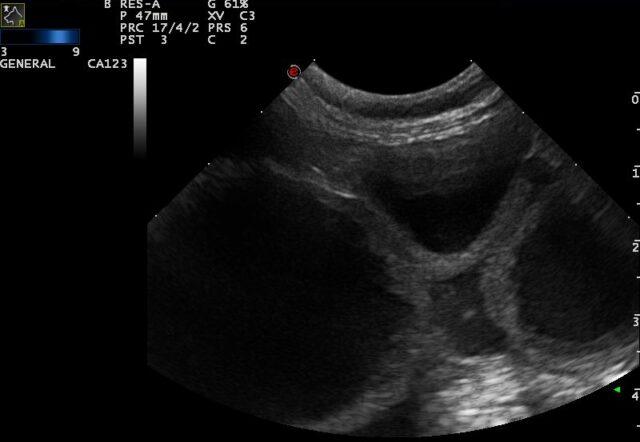
Diagnosis is made through a combination of clinical examination, blood tests, and imaging techniques such as ultrasound or X-rays. Blood tests may show elevated white blood cell counts indicative of infection, along with electrolyte imbalances and kidney function impairment due to toxemia.
Treatment
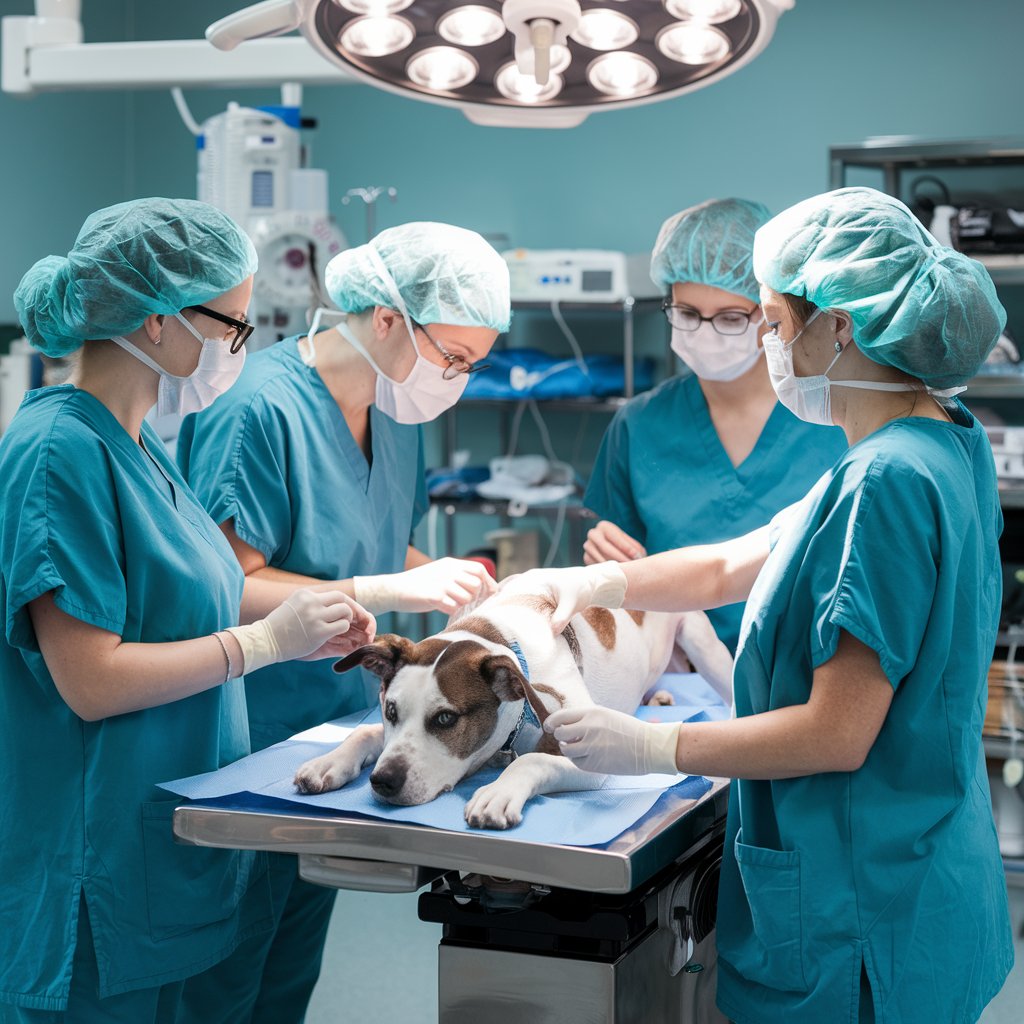
The most common and effective treatment for pyometra is emergency ovariohysterectomy, which involves the surgical removal of the uterus and ovaries. This surgery is crucial to eliminate the source of infection. In some cases, especially if the dog or cat is young and breeding is desired in the future, medical treatment with antibiotics and hormones can be attempted to drain the uterus, but this method carries a high risk of recurrence and complications.
After surgery, the animal requires postoperative care, including the administration of antibiotics and intravenous fluid therapy to address shock and dehydration. In closed pyometra, the risk of sepsis is higher, which may require additional treatments.
Prevention
The best way to prevent pyometra is through spaying (ovariohysterectomy) before the first or second heat, especially in female dogs and cats that are not intended for breeding. Spaying eliminates the risk of developing this serious infection by removing the uterus and ovaries, where hormonal problems leading to pyometra originate.
Conclusion
Pyometra is a serious but preventable disease. If you have an unspayed female pet, it is important to watch for signs of this infection, especially after a heat cycle. Consulting with a veterinarian and spaying your pet at the appropriate time is the best way to protect their health and avoid serious complications.