

Dental health in dogs is a key aspect of their overall well-being but is often overlooked. Just like in humans, poor dental hygiene can lead to serious issues like periodontal disease, tooth loss, and systemic conditions related to bacterial infections that spread from the mouth.
Common Dental Problems in Dogs
- Plaque and tartar: The buildup of plaque and tartar on the teeth can cause gingivitis and other gum infections.
- Periodontal disease: This affects the structures supporting the teeth, and in advanced cases, it can lead to tooth loss.
- Broken or worn teeth: Chewing on hard objects or playing with inappropriate toys can damage teeth.
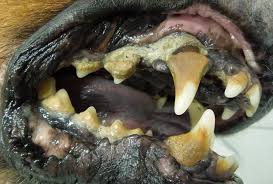
Moreover, untreated dental problems in dogs can lead to the development of **serious systemic diseases**. This happens when bacteria present in dental plaque and tartar enter the bloodstream through damaged or inflamed gums, affecting several vital organs. Below are some of the most common systemic diseases related to poor dental health:
1. Cardiovascular Diseases
Oral bacteria can travel to the heart and cause bacterial endocarditis, an infection that affects the inner lining of the heart and valves. This condition is particularly dangerous and can result in heart failure if untreated.
2. Kidney Issues
Chronic bacterial infection in the mouth can reach the kidneys, causing nephritis or kidney inflammation, which can lead to kidney failure. Since kidneys are responsible for filtering toxins from the blood, any damage can have severe effects on the dog’s overall health.
3. Liver Diseases
Bacteria can also reach the liver, causing infections that trigger hepatitis or even liver failure. Like the kidneys, the liver is a key organ for detoxifying the body, and its deterioration can greatly affect the animal’s metabolism.
4. Sepsis
In extreme cases, dental infection can lead to sepsis, a systemic inflammatory response triggered when the infection spreads throughout the body. Sepsis is a medical emergency that can endanger the dog’s life.
Signs of Dental Problems
It’s important to watch out for signs such as:
- Persistent bad breath.
- Difficulty eating.
- Red or swollen gums.
- Loss of teeth.
- Excessive drooling.
Prevention and Dental Care
Prevention is the best strategy for maintaining dental health in dogs. Some measures include:
- Regular brushing: Daily brushing with a dog-specific toothpaste is key to preventing plaque buildup.
- Dental foods and toys: There are products designed to help reduce tartar (recreational bones, dehydrated snacks, and fruits and vegetables like apple, carrot, celery, coconut oil, tea tree sticks).
- Vet visits: Professional dental cleanings and regular check-ups help detect problems early.
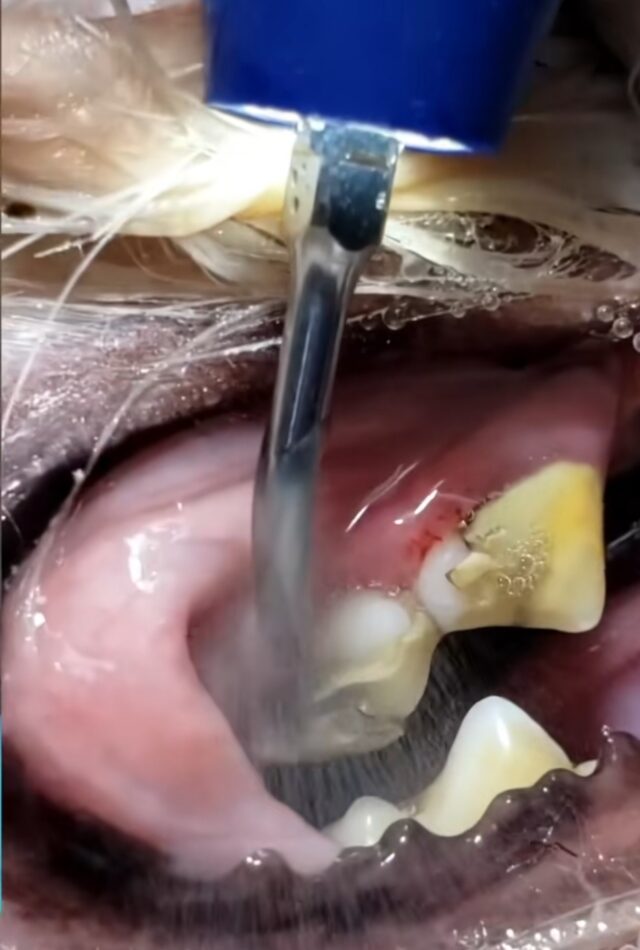
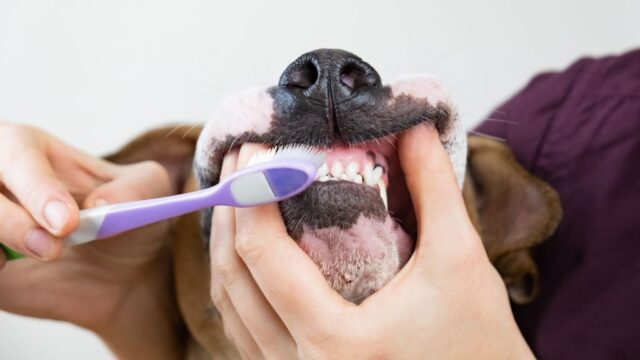
Maintaining good dental hygiene is key to preventing more serious issues and ensuring a longer, healthier life for your dog.