Homemade food can be an excellent option for feeding dogs and cats if it’s well-balanced and formulated according to their nutritional needs. However, it is also easy to unbalance their diet if all essential nutrients are not taken into account.
Here are some recommended and not recommended foods for preparing homemade meals for your pets.
Recommended homemade foods:
For dogs:
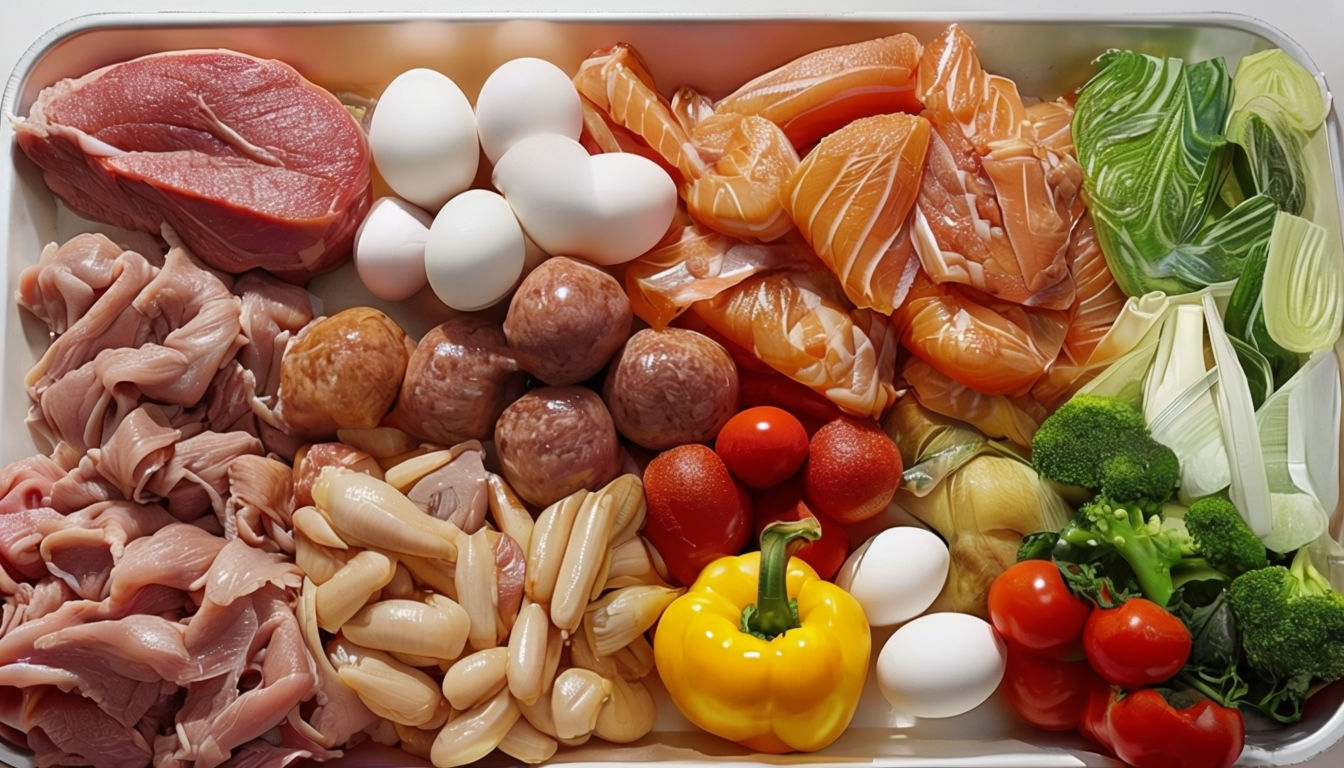
- Lean meats (chicken, turkey, beef, lamb): Rich in high-quality proteins that help maintain muscle mass and energy. They can be grilled, boiled, or steamed without salt or spices.
- Fish (salmon, sardines, mackerel): They provide omega-3 fatty acids, beneficial for skin, coat, and joints. The fish should always be well-cooked to eliminate the risk of parasites, and bones should be removed.
- Liver (chicken, beef): An excellent source of vitamins (especially vitamin A) and minerals like iron. It should be given in small amounts and not daily, as excess can cause vitamin A toxicity.
- Eggs: They are a rich source of proteins, healthy fats, and vitamins. You can give them boiled or scrambled, but avoid raw eggs due to the risk of salmonella.
- Vegetables (carrots, zucchini, spinach, green beans, broccoli): They are an excellent source of fiber, vitamins, and antioxidants. Cooked or steamed, in small amounts, as dogs don’t need a lot of fiber.
- Sweet potatoes or pumpkin: These are complex carbohydrates that provide fiber and nutrients, ideal for digestion. Pumpkin is especially useful for dogs with digestive problems.
For cats:
- Lean meats (chicken, turkey, rabbit, beef): Cats are strict carnivores, so they need a diet rich in animal-based proteins. They can be served cooked and boneless.
- Fatty fish (salmon, sardines, tuna): They provide omega-3 and high-quality proteins. Fish should be cooked and boneless.
- Liver (in small amounts): Provides many essential vitamins and minerals for cats but should not be given excessively due to the risk of vitamin A toxicity.
- Pumpkin: Rich in fiber and beneficial for the cat’s digestive tract, especially in small amounts to avoid constipation.
- Eggs: They provide high-quality proteins and are safe for cats if properly cooked.
Non-recommended homemade foods:
For dogs and cats:
- Cooked bones: They can splinter easily and cause obstructions or injuries in the digestive system. Raw bones are safer, but I would not recommend them either.
- Garlic and onion: They are highly toxic to dogs and cats, causing anemia and damage to red blood cells.
- Chocolate: Contains theobromine, a substance toxic to dogs and cats, which can cause anything from vomiting to seizures and heart problems.
- Grapes and raisins: Even in small amounts, they can cause acute kidney failure.
- Milk and dairy products: Many dogs and cats are lactose intolerant, which can cause diarrhea and digestive upset.
- Fatty or fried foods (bacon, butter, etc.): They can cause pancreatitis and gastrointestinal problems due to the high-fat content.
- Avocado: Contains a substance called persin that is toxic to dogs and cats in large amounts. Additionally, dogs often swallow the pit, causing intestinal obstructions.
- Macadamia nuts: They are highly toxic to dogs and can cause tremors, vomiting, weakness, and fever.
- Alcohol: Even in small amounts, alcohol can be extremely dangerous for pets, affecting the central nervous system and causing respiratory problems or even death.
Considerations for a balanced homemade diet:
- Proteins: Dogs and cats need a substantial amount of animal-based proteins, especially cats, which are strict carnivores.
- Supplementation: Homemade diets often lack sufficient essential vitamins and minerals. It’s important to consult with a veterinarian to include appropriate supplements, such as taurine for cats or calcium.
- Proper balance: It’s not enough to give healthy foods separately; the diet must be balanced in terms of proteins, fats, carbohydrates, vitamins, and minerals.
Homemade food can be a good option if prepared properly and balanced with all the necessary nutrients for your pet’s health. However, it is always advisable to consult a veterinarian before switching to a homemade diet, especially to ensure that the diet is complete and suitable for your cat’s needs.