

Catnip, also known as Nepeta cataria, is a perennial herbaceous plant that belongs to the mint family (Lamiaceae). This plant is well known for its effect on cats, who seem to be particularly attracted to it. However, beyond its noticeable effects on felines, catnip has several benefits and uses that go beyond the simple fun it provides to cats. In this article, we will explore what catnip is, how it affects cats, its benefits, possible risks, and how you can use it properly to improve your cat’s quality of life.
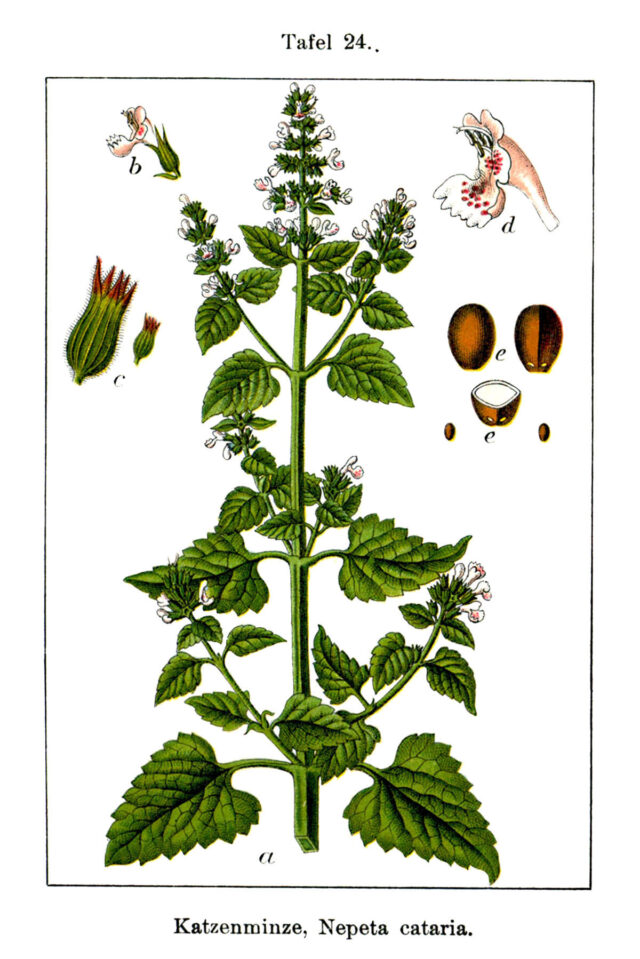
What is Catnip?
Catnip is a plant native to Europe and Asia, although it is now cultivated in many parts of the world. This plant has jagged leaves and white or pale lavender-colored flowers. The active compound that causes the reaction in cats is nepetalactone, an essential oil present in the leaves and stems of the plant. Nepetalactone acts on the brain receptors of felines, producing both psychological and physical effects that vary from cat to cat.
Why Does It Attract Cats?
Not all cats respond the same way to catnip, but between 50% and 70% of cats exhibit some reaction to this plant. The response is linked to genetics: some cats have a hereditary predisposition to react to nepetalactone. Kittens under six months and cats with neurological issues may not show interest in catnip.
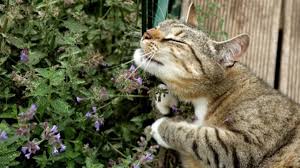
When a cat encounters catnip, it may lick it, chew it, or rub against it, displaying behavior that seems almost ecstatic. The effect usually lasts between 10 and 15 minutes, and after a brief rest period, the cat may experience the reaction again, though it generally becomes less intense over time.
Physical and Psychological Effects
Nepetalactone affects cats in a similar way to how certain drugs affect humans. Upon contact with the olfactory receptors, this substance induces a behavioral response that may include:
- Euphoria and excitement: Many cats react in a playful and energetic manner, running, jumping, or rubbing against the plant.
- Relaxation: In some cases, catnip can induce a state of calm and relaxation, almost as if the cat were in a state of well-being.
- Marking behaviors: Cats may rub their face or body against the catnip, a behavior similar to marking their territory with pheromones.
Although catnip can produce a temporary feeling of well-being, it is not associated with any addictive or dangerous properties. After the initial reaction, the cat will lose interest and not show the same response for a while.
Benefits of Catnip
Catnip not only provides fleeting fun but also has potential benefits for cats, both physically and emotionally.
-
Mental stimulation: By providing a stimulus that activates the cat’s mind, catnip can serve as a form of environmental enrichment. This can be particularly useful for indoor cats who need more activities to keep their minds engaged.
-
Encouragement of exercise: The play and hunting behaviors triggered by catnip can stimulate cats to move more, which is beneficial for their physical health, especially in adult or older cats that may be less active.
-
Stress reduction: Just like humans, cats can also experience stress or anxiety. Using catnip may help reduce these stress levels by inducing a sense of calm or temporary satisfaction.
-
Attractive for cats under medical treatment: Sometimes, cats undergoing treatment or recovery may have less interest in their surroundings or in eating. Using catnip can increase their interest in activity and help improve their mood.
-
Digestion and intestinal well-being: It is believed that catnip has properties that can aid digestion. Some cats chew on the plant to induce vomiting if they have ingested something they shouldn’t, which can be useful in certain cases of stomach upset or to eliminate hairballs.
Risks and Precautions
Although catnip is generally safe for cats, there are some precautions to consider:
- Excessive consumption: While not toxic, excessive consumption of catnip could cause stomach upset, diarrhea, or vomiting. It is important to offer it in moderation.
- Individual reactions: Some cats may be more sensitive than others. In rare cases, catnip can provoke an excessive response, leading to aggressive or overly excited behavior.
- Plants treated with pesticides: It is always advisable to ensure that the catnip offered to cats has not been treated with harmful chemicals.
How to Use Catnip
Catnip is available in various forms: as live plants, seeds, dried, or as a spray. Here are some recommendations for its proper use:
-
Live plants: You can grow catnip in your garden or in pots inside your house. Cats will enjoy the fresh plant, and you will be able to control it more easily.
-
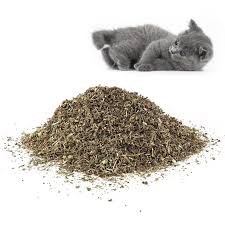
Dried catnip: This is a popular option for sprinkling over toys, scratching posts, or beds to stimulate the cat’s interest. You can also sprinkle it in their play area.
-
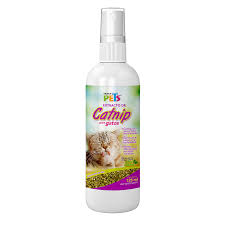
Catnip spray: Ideal for use in areas where you want to attract the cat’s attention, such as on their scratching post or bed. Just spray a small amount.
Conclusion
Catnip is a natural resource that offers a variety of benefits for cats, from mental stimulation to improving their physical and emotional well-being. However, as with anything in our feline’s life, it is important to use it in moderation and be mindful of possible adverse reactions. If you have a cat that shows interest in this plant, it is advisable to observe their behavior and adjust usage as needed. With its ability to make a cat happy naturally, catnip remains a useful tool in many felines’ lives and a simple way to enrich their environment.