
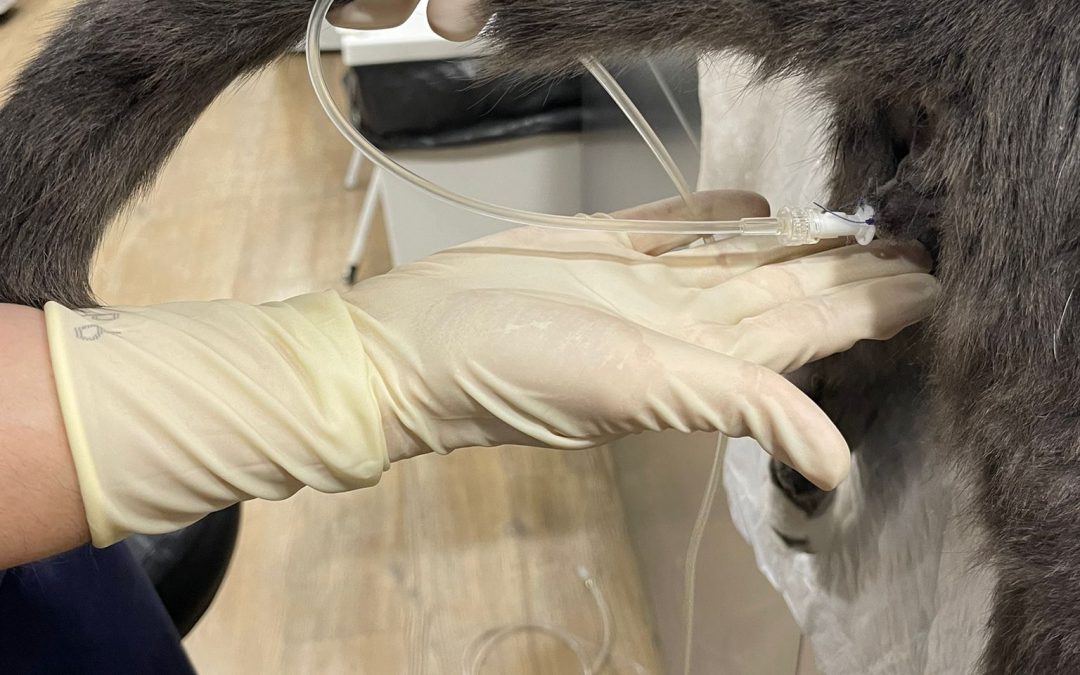
Urethral obstruction is an urgent medical condition that affects both dogs and cats. This condition, which prevents the normal passage of urine through the urethra, can have serious consequences if not treated promptly. Although it can affect any animal, cats are especially vulnerable due to their anatomy and predisposition to certain diseases. In this article, we will explore the causes, treatment, dosages of common medications, prognosis, and preventive measures for urethral obstruction, with a special focus on felines.
What is Urethral Obstruction?
Urethral obstruction is a condition in which the passage of urine through the urethra is partially or completely blocked. This can be due to a variety of causes, such as urinary stones, inflammation, infections, or neoplasms. The obstruction can result in a buildup of urine in the bladder, causing pain and distension, and can even lead to kidney failure if not treated quickly.
Causes of Urethral Obstruction
In Cats:
-
Urinary Stones (Uroliths): The formation of urinary stones is one of the most common causes of urethral obstruction in cats, especially males. Stones can block the urethra and cause a total or partial obstruction.
-
Mucosal Plugs or Mucoproteins: In some cats, especially those with idiopathic cystitis, the obstruction can be caused by the accumulation of mucus, which forms a “mucoprotein” that blocks the urethra.
-
Prostatic Hyperplasia (in males): Neutered male cats can also suffer from prostatic hyperplasia, which can cause compression of the urethra.
-
Feline Idiopathic Cystitis: Inflammation of the bladder without a known cause (idiopathic cystitis) is common in cats and can predispose them to the formation of crystals or plugs that obstruct the urethra.
-
Tumors or Neoplasms: Although less common, tumors in the urinary tract can block the urethra.
-
Urinary Tract Infections: Bacterial infections can cause inflammation and narrowing of the urethra, which can result in partial or complete obstruction.
In Dogs:
-
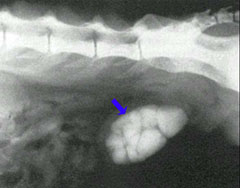
Urinary Stones: As in cats, urinary stones are also a frequent cause of urethral obstruction in dogs, although dogs tend to be less susceptible to urinary obstructions than cats.
-
Prostatitis (in males): In unneutered male dogs, prostatitis (inflammation of the prostate) can cause urinary obstruction.
-
Tumors or Neoplasms: Tumors in the urethra, bladder, or prostate can also cause obstruction in dogs, although it is more common in older dogs.
-
Urethral Stricture: Urethral stricture or narrowing due to scarring or fibrosis is a less common cause of urethral obstruction, but can occur in dogs after chronic urinary infections or trauma.
Crystals and Urinary Stones in Cats
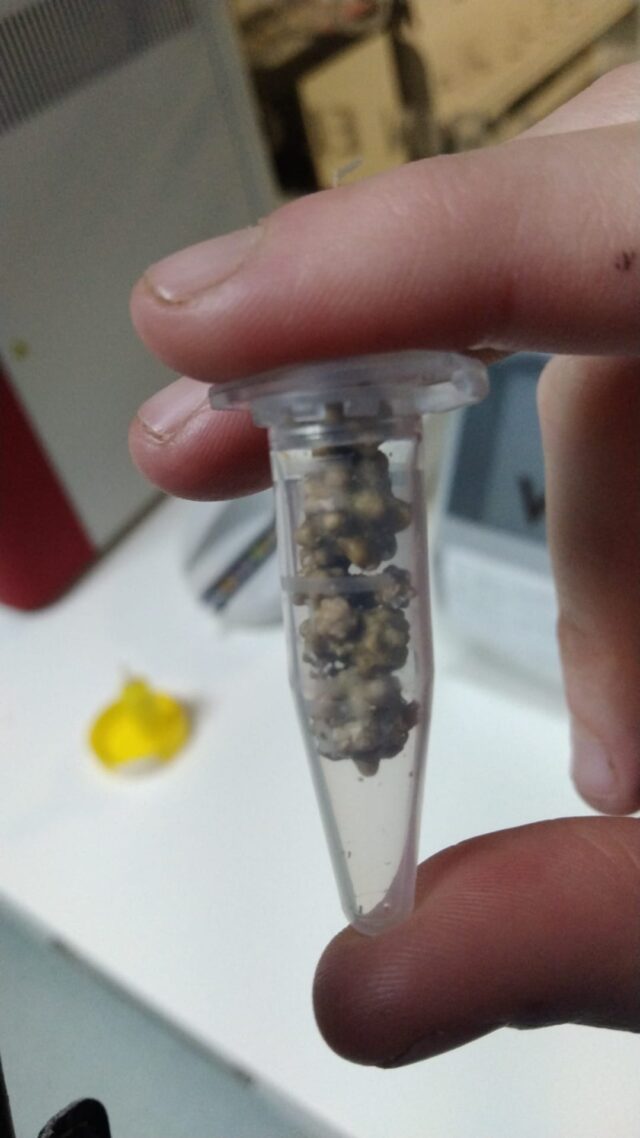
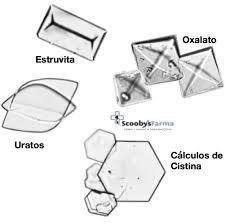
Urinary crystals and stones are mineral deposits that form in urine and can significantly contribute to urethral obstruction in cats. The most common types are:
-
Struvite crystals: Formed by magnesium ammonium phosphate, they usually develop in alkaline urine and are more common in cats with urinary infections or those with an elevated urinary pH.
-
Calcium oxalate stones: They are much more common in male cats and in acidic urine. This type of stone is more difficult to dissolve with diet, and its treatment usually requires surgical intervention or cystotomy.
-
Urate crystals: Less common, but can form in cats with metabolic disorders, such as liver disease.
Why Do Neutered Cats Have a Higher Predisposition?
Neutered cats have a higher predisposition to urinary obstructions due to several factors:
-
Hormonal changes: Neutering reduces testosterone production, which can cause the urinary tract to become narrower, increasing the risk of blockages.
-
Obesity: Neutered cats tend to be more prone to weight gain due to a decrease in their metabolic rate. Excess weight can contribute to the formation of urinary stones and a decrease in physical activity, which negatively affects urinary health.
-
Change in behavior: After neutering, cats may become more sedentary and less likely to drink water, which favors urine concentration and crystal formation.
Symptoms of Urethral Obstruction
The symptoms of urethral obstruction are similar in dogs and cats, although they may present more acutely in felines due to their narrower urethral anatomy. Signs include:
- Difficulty or inability to urinate (anuria or dysuria)
- Vocalizations of pain or discomfort
- Vomiting
- Lethargy and depression
- Abdominal distension or pain in the bladder area
- Increased urinary frequency without success (urinary tenesmus)
- Dehydration
- Urinary infection (in more severe cases)
Diagnostic Tests in Urethral Obstruction
1. Physical Examination and Clinical Evaluation
Before performing complementary tests, a complete clinical evaluation should be carried out, including:
- Bladder palpation: A tense and distended bladder is detected, suggesting obstruction.</li