
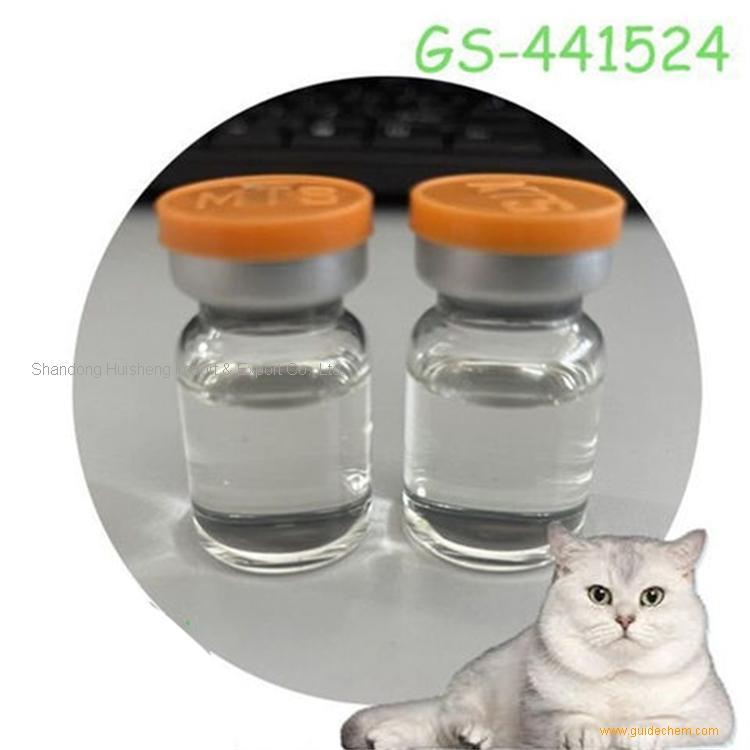
In another article, I already talked about the dreaded feline infectious peritonitis (FIP). This is a devastating viral disease that affects cats, caused by a mutated strain of the feline coronavirus. Despite its severity, in recent years, there have been significant advances in the treatment of this disease, especially with the use of GS-441524, an antiviral drug that has proven to be highly effective in treating FIP. Below, we explore in detail what GS-441524 is, how it works, the treatment protocol, the recommended dosage, the success rate, and the prognosis for cats undergoing this treatment.
Discovery of GS-441524
GS-441524 is a nucleoside analog that was originally developed by Gilead Sciences, the same company that developed the well-known HIV treatment, sofosbuvir. GS-441524 has a chemical structure similar to remdesivir, which was used to treat COVID-19. It was discovered that GS-441524 had a potent antiviral effect against feline coronavirus, particularly against the strains that cause FIP.
In 2016, GS-441524 began being evaluated in experimental treatments for FIP after several studies demonstrated its ability to inhibit the replication of the virus responsible for this disease. Since then, it has become one of the most effective treatments available to combat FIP, although its use is not yet officially approved by all health authorities.
Mechanism of Action of GS-441524
GS-441524 is an RNA-dependent RNA polymerase (RdRp) inhibitor, meaning it blocks the replication of the virus. By interfering with the virus’s ability to reproduce within the cat’s body, the drug stops the spread of the infection and reduces the viral load. GS-441524 is converted into its active form, GS-443902, once inside the body, allowing it to act directly on infected cells.
The drug has a specific affinity for RNA viruses, such as feline coronavirus, making it particularly useful for treating FIP. By inhibiting viral replication without affecting normal cells in the cat, GS-441524 is considered an effective and low-risk treatment.
Dosage and Treatment Protocol
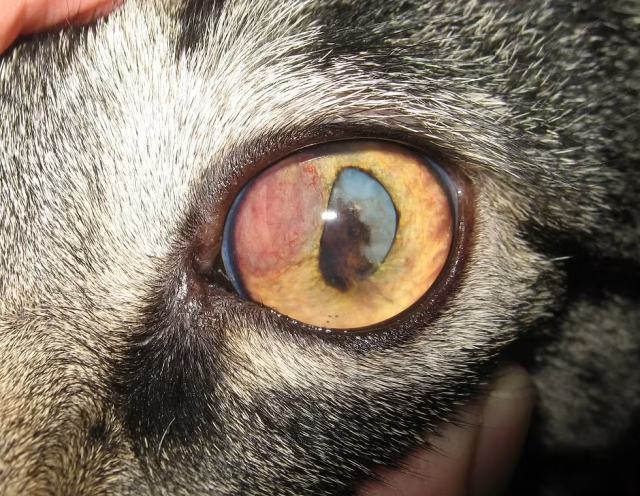
The treatment protocol with GS-441524 varies depending on the clinical form of FIP, whether wet, dry, ocular, or neurological. The standard dose is 4-6 mg/kg of body weight, but treatment may vary depending on the cat’s specific needs and the severity of the disease.
Protocol by FIP Form
-
Wet FIP (affecting the abdomen and lungs):
This type of FIP is the most severe and urgent. Cats with wet FIP should receive treatment as soon as possible. The treatment with GS-441524 is administered at a dose of 6 mg/kg subcutaneously once a day. Treatment typically lasts 12 weeks, and in many cases, cats show improvement within the first 2-3 weeks. -
Dry FIP (affecting organs and nervous systems):
Cats with dry FIP may have a more favorable prognosis, although it remains severe. The recommended dose is 8 mg/kg once a day, administered subcutaneously. Treatment may last 12 weeks or more, depending on the cat’s clinical response.
Success Rate and Relapses
The success rate in treating FIP with GS-441524 is around 80-90% in cats treated in the early stages of the disease. However, this rate may decrease in cats with advanced forms of FIP, especially in the wet form. Cats receiving early treatment have a higher probability of complete recovery.
Regarding recurrences, studies have shown that approximately 10-20% of cats may experience a relapse after completing treatment, especially if the treatment was not fully effective or if the disease was in an advanced stage at the start. In this situation, it is recommended to restart the full treatment protocol with the appropriate doses, typically extending for the 12 weeks mentioned earlier. This is because GS-441524 works by inhibiting viral replication, and in cases of relapse, restarting the treatment can help eliminate any residual viral focus. It’s also important to closely monitor the patient and consider adjusting the protocol if there are complications.
Adverse Reactions
Although GS-441524 is generally well tolerated, some adverse reactions may occur. The most common are:
- Local reactions at the injection site: Redness, swelling, or pain at the site where the subcutaneous injection is administered.
- Gastrointestinal issues: Some cats may experience vomiting, diarrhea, or loss of appetite during treatment.
- Increase in liver parameters: In rare cases, GS-441524 may affect the liver, resulting in elevated liver enzymes. Regular blood tests should be conducted during treatment.
Most of these reactions are mild and subside once the treatment is adjusted or completed. However, if severe adverse effects are observed, it is important to consult the veterinarian to adjust the dosage or consider other options.
Prognosis of Cats Treated with GS-441524
The prognosis for cats treated with GS-441524 primarily depends on how quickly treatment is started and the animal’s clinical response. Cats treated in the early stages of the disease have a very favorable prognosis, and many can achieve a complete remission. However, in cats with advanced forms of FIP, especially in the wet form, the prognosis is more uncertain, and the success rate may be lower.
It is important to note that, although GS-441524 has proven to be a highly effective treatment, it remains an experimental option in many countries. Therefore, it should be administered under the supervision and recommendation of a veterinarian specialized in FIP.
Where to Buy GS-441524?
GS-441524 can be purchased through various online providers specializing in FIP treatments. Some of the most reliable websites to purchase the medication are:
- CureFIP: A website specialized in FIP treatment with GS-441524, offering products for veterinary treatment.
- FIPMed: A supplier offering GS-441524 and other FIP treatments, with detailed information about the protocol.
- FIPcure: A platform dedicated to selling GS-441524 and providing information about FIP treatment.
Conclusion
The treatment of FIP with GS-441524 has revolutionized the way we treat this fatal viral disease in cats. Its ability to stop viral replication and alleviate FIP symptoms has offered new hope for cats diagnosed with this disease. Although the drug is not officially approved in many countries, its use has proven effective, and cats receiving early treatment have a high success rate. If you have a cat with FIP, it is crucial to follow the treatment protocol recommended by your veterinarian and act as quickly as possible to achieve the best results.
If you are looking for more information about the treatment or how to obtain GS-441524, don’t hesitate to consult with your veterinarian or research available suppliers.