
How to Prevent Bird Flu in Cats: Risks and Protective Measures
The H5N1 bird flu strain, which has been affecting poultry and driving up egg prices, is now infecting cats, leading to severe neurological symptoms and fatalities. Dr. Julie Levy from the University of Florida highlights that infected cats can experience staggering, blindness, confusion, paralysis, and respiratory issues. The highest risk areas in the U.S. are the Midwest and the West, with multiple confirmed cases in domestic and wild felines.
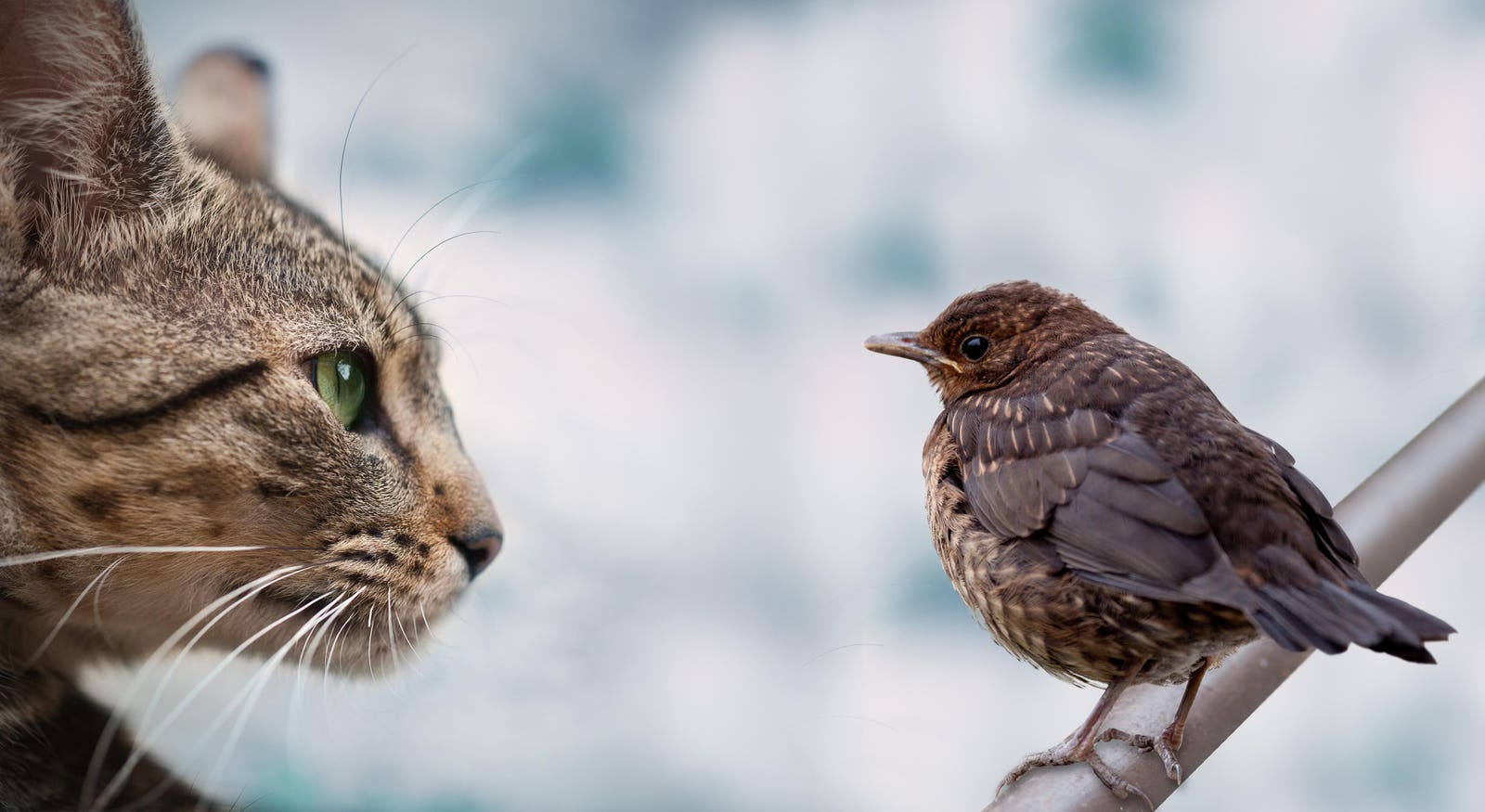
To protect cats, experts advise keeping them indoors to avoid exposure to infected birds and their droppings. Feeding cats cooked food rather than raw poultry or dairy is also recommended, as raw products have been linked to bird flu transmission. For outdoor and farm cats, feeding strategies should minimize contact with wildlife, and food sources should be kept away from water bodies and poultry farms.
If a cat shows symptoms of bird flu, owners should call a veterinarian before visiting to ensure proper precautions are taken. While infected cats may recover within weeks, vigilance is needed to prevent the virus from spreading or mutating. Public awareness is crucial in mitigating risks and safeguarding both pets and communities from the ongoing outbreak.