The nutrition of our pets is a key factor in their well-being, health, and longevity. Whether you choose commercial kibble, grain-free food, or a homemade diet, it’s essential that the food provides the necessary nutrients. Both dogs and cats have specific nutritional requirements that must be met with an appropriate diet.
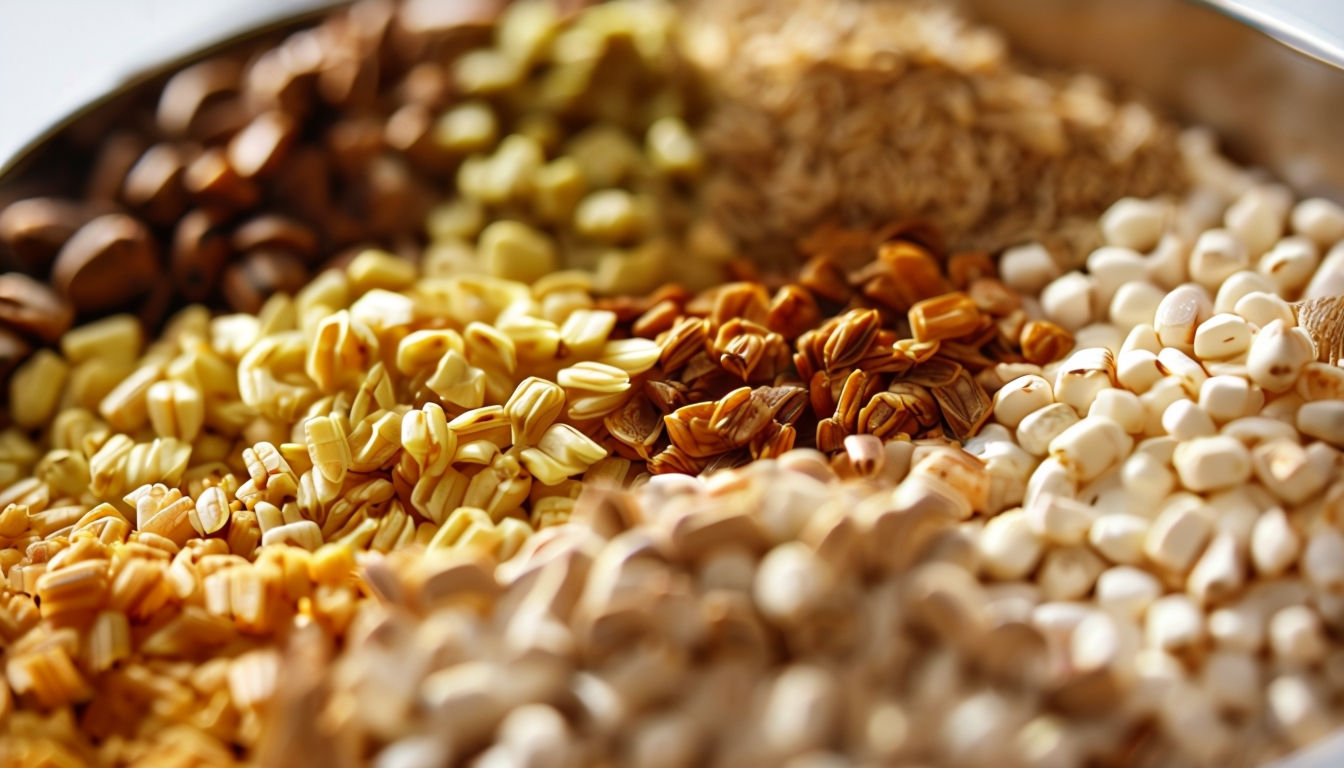
Grain-free kibble has gained popularity in recent years, especially among pet owners seeking more natural options for pets with food sensitivities. Grains like corn and wheat are common ingredients in commercial pet food, but they do not provide significant nutritional benefits for dogs and cats. Grains can be a source of carbohydrates, but their nutritional value and effect on health depend on several factors, such as the quantity and quality of the grain, as well as the animal’s specific needs.
Potential Benefits:
- Grains can provide energy in the form of carbohydrates.
- Some grains, such as rice and oats, are easy to digest and may be beneficial for dogs and cats with sensitive stomachs.
- They can add fiber to the diet, aiding in digestion.
Possible Drawbacks:
- Carnivorous animals, such as dogs and cats, do not have a high biological need for grains in their diet. Cats, as obligate carnivores, require more animal proteins.
- Low-quality grains like corn or wheat in large quantities can cause allergies, digestive problems, or be a source of empty calories.
- Kibble with a high grain content may have less animal protein, potentially reducing the overall quality of the food.
In summary, grains are not necessarily harmful, but it is important that they do not make up the majority of the food and that the kibble is balanced with high-quality proteins, especially for cats. But then, should we give our pets kibble with or without grains? The recommendation to choose grain-inclusive or grain-free food depends on several factors:
Advantages of Grain-Free Kibble:
- Suitable for animals with allergies or sensitivities: Some dogs and cats have intolerances or allergies to certain grains like wheat, corn, or rice. In these cases, a grain-free diet may relieve symptoms like digestive issues or irritated skin.
- Higher protein content: Many grain-free foods have a higher percentage of animal-based proteins, which is beneficial for carnivores like cats, who require protein-rich diets.
- Alternative carbohydrates: Instead of grains, these foods often use carbohydrates like potatoes, peas, or sweet potatoes, which can be easier to digest for some animals.
Disadvantages of Grain-Free Kibble:
- Not always necessary: Not all dogs and cats have problems with grains. If your pet tolerates grains well and is healthy on their current diet, there is no urgent need to switch to grain-free food.
- Possible nutritional deficiencies: Some grain-free foods may lack a proper balance of proteins, fats, and carbohydrates. Additionally, not all grain substitutes (like peas or potatoes) are healthier.
- Association with dilated cardiomyopathy: In recent years, the U.S. FDA has been investigating possible links between certain grain-free diets (especially those high in legumes) and dilated cardiomyopathy in dogs. Although no direct relationship has been proven, it is something to consider.
With this knowledge, when choosing kibble, consider the following factors:
- Your pet’s specific needs: Age, weight, activity level, and any health problems or food sensitivities.
- Your vet’s recommendations: It’s always a good idea to consult your vet about the ideal diet for your dog or cat.
- Ingredients: Review the ingredient list to ensure that the primary source of protein is animal-based and that the food is formulated to meet your pet’s specific nutritional needs.

Below are some examples of high-end and mid-range kibbles as well as those that are not recommended.
High-end Kibble for Dogs:
- Orijen: High-quality, biologically appropriate kibble with a high content of animal-based proteins. Uses fresh, regional ingredients with a high ratio of meat and grains, ideal for active dogs that require a protein-rich diet.
- Acana: Similar to Orijen but with a more moderate amount of protein. Uses fresh, regional ingredients with or without grains.
- Taste of the Wild: Formulates kibble based on dogs’ ancestral diets, using natural ingredients like bison, venison, and salmon. Grain-free, with sweet potatoes or peas. A good option for dogs with food sensitivities.
- Hill’s Science Diet: A brand backed by scientific research and recommended by veterinarians. Offers specialized formulas for different life stages, health conditions, and breed sizes. Usually contains grains but with high-quality ingredients.
- Farmina N&D: Uses natural ingredients and offers grain-free or low-grain options. Good source of quality animal proteins.
High-end Kibble for Cats:
- Orijen: Just like for dogs, it’s one of the best options for cats due to its high content of animal-based proteins.
- Acana: Offers grain-free varieties with quality ingredients such as fish, chicken, and turkey.
- Royal Canin: Offers specific formulas for different breeds, ages, and health problems. Although it contains grains, it is scientifically formulated to ensure proper nutritional balance.
- Hill’s Science Diet: Similar to the version for dogs, with scientifically-based formulas specialized for feline health.
- Applaws: Offers dry and wet food with natural, grain-free ingredients. High protein content, known for the quality of ingredients like chicken, fish, and vegetables.
- Taste of the Wild: With real meat and grain-free, ideal for cats with digestive sensitivity.
- Purizon: Very high protein content, with natural, grain-free ingredients.
Mid-range Kibble for Dogs and Cats:
- Purina Pro Plan: Offers options tailored to different needs, such as kibble for puppies, senior pets, or those with digestive sensitivities. Contains quality proteins like chicken and salmon, though it may also include grains like corn.
- Advance: Formulas tailored to specific needs, such as weight control, urinary problems, or digestive sensitivities. Contains moderate-quality ingredients with whole grains and some vegetable proteins.
- Eukanuba: For dogs only. Contains grains like corn but is well-balanced in terms of fats and proteins.
- True Instinct: A brand that focuses on natural ingredients and offers both grain-inclusive and grain-free options. Uses sources of animal proteins like chicken, salmon, or lamb, supplemented with fruits, vegetables, and legumes.
- Brit Care: Uses hypoallergenic and natural ingredients, some grain-free or low-grain options.
- Ownat: Uses natural ingredients with or without grains. Offers both affordable and premium lines, such as their Grain Free line.
- Nature’s Variety: Has a mid-range Original line and a high-end (Nature’s Variety Selected) line. Includes good quality meat, though it may also contain some grains like rice and corn.
- Nath: With high-quality ingredients, such as animal proteins and nutrients specific for different life stages or special needs of pets. It also offers a line of veterinary diets (Nath Veterinary Diet) for animals with specific health problems, such as allergies, obesity, or kidney issues.
Low-quality dog and cat foods: These brands are not recommended because they tend to use low-quality ingredients, such as animal by-products (beaks, feathers, and low-quality organs), excessive low-quality grains (corn, wheat), artificial additives (preservatives, colorants, or artificial flavors), or a poor proportion of animal proteins (the food has more sources of plant proteins or grains than animal proteins).
- Pedigree (for dogs): Contains high levels of grains (such as corn and wheat), meat by-products, and artificial additives. In the long run, they could cause health problems such as obesity, allergies, or poor digestion.
- Whiskas (for cats): Uses animal by-products and a considerable amount of cereals, which is not suitable for cats that need a diet rich in animal proteins. It contains additives like colorants and preservatives that can be unnecessary and harmful.
- Friskies: Contains animal by-products, corn, and artificial additives.
- Brekkies: Very affordable price, but contains more cereals and by-products.
- Dog Chow/ Cat Chow (by Purina): Uses grains like corn as the main ingredient.
- Prolic (for dogs): Has some content in cereals (corn and wheat) and sugars, which can contribute to weight gain and other health problems.
- Royal Canin (economical versions): Although Royal Canin has high-quality veterinary formulas, the more economical commercial versions contain a large amount of cereals and animal by-products.
The key to proper nutrition for dogs and cats is to understand their nutritional needs and provide them with a balanced and healthy diet. Avoiding low-quality and toxic foods is essential to ensure their well-being. As always, it is advisable to consult with a veterinarian before making significant changes to your pet’s diet.