
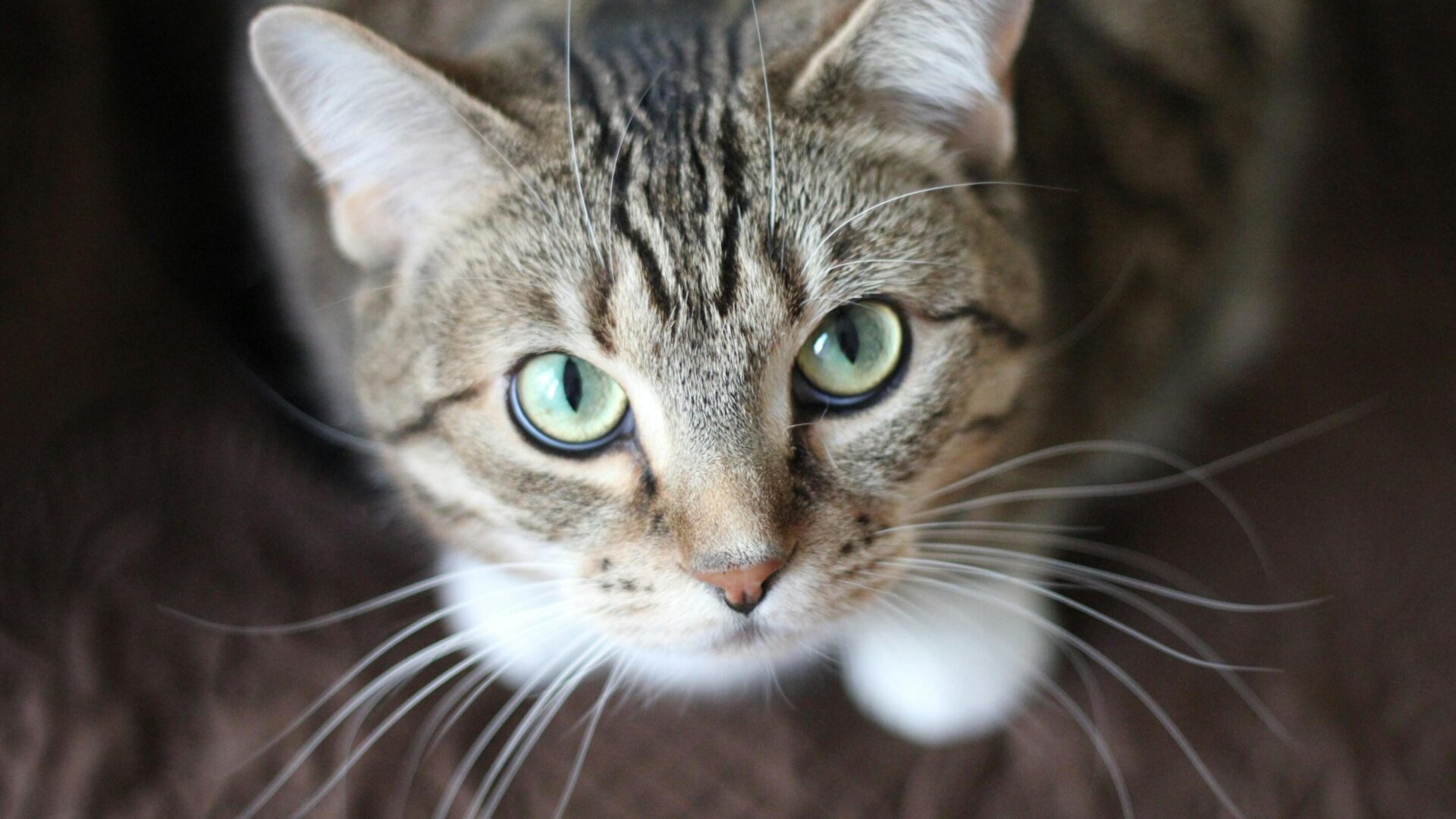
Isotopic analysis of cat fur reveals misleading dietary signals despite carnivorous diet
A recent study by researchers at the University of Vienna examined the nitrogen isotopes in the hair and whiskers of domestic cats to understand their diet. Cats are obligate carnivores, meaning they require meat to obtain essential nutrients. However, isotopic analysis revealed that cats’ δ15N values were closer to those of human vegans rather than omnivores. This surprising result is due to a low trophic discrimination factor (TDF) in cats, likely reflecting their highly efficient utilization of dietary proteins from meat. Essentially, the amino acids in their food closely match their own bodily requirements, so their hair retains minimal isotopic changes compared to the diet. The study compared samples from 35 domestic cats and 14 whiskers with human hair samples from 653 individuals following vegan, vegetarian, and omnivorous diets. Researchers caution that low δ15N values do not necessarily indicate a plant-based diet but may reflect metabolic efficiency and protein processing. This challenges previous assumptions that stable isotope analysis of carnivores can directly indicate diet type. The physiological reasons for cats’ low TDF remain unclear, and further research is needed to determine if similar patterns exist in other tissues such as blood or muscle.