
In this article, I will talk about one of the most serious diseases I usually treat at the hospital: feline panleukopenia.
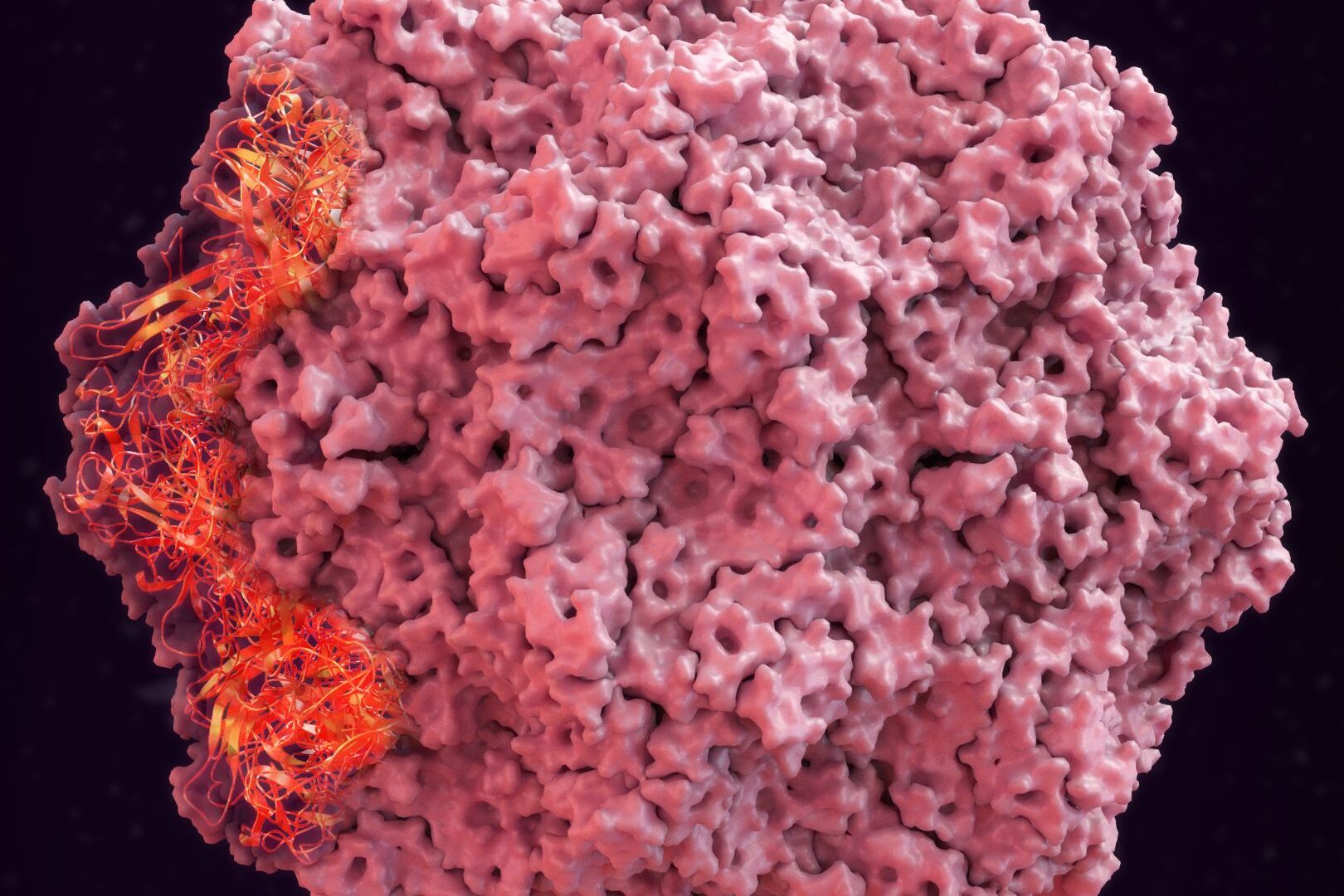
The feline panleukopenia virus (FPV) is a parvovirus composed of a single strand of DNA and is genetically very similar to the canine parvovirus (CPV), which you may be more familiar with. Canine parvovirus emerged in the 1970s from a mutation of FPV (CPV-2), although it initially couldn’t replicate in cats. However, CPV-2a, CPV-2b strains, and more recently, the CPV-2c variant, adapted better to dogs and gained the ability to infect and replicate in cats. However, it is difficult to differentiate these strains from FPV in cats, although this is rare.
FPV is transmitted through direct contact with any secretion from the sick animal (feces, saliva, nasal secretions) or contaminated environments. Transplacental transmission from mother to offspring is also possible at any stage of gestation.
It is a virus highly resistant to physical and chemical factors, capable of withstanding extreme temperatures of up to 56ºC for 30 minutes. Therefore, the best way to inactivate it is to disinfect with bleach diluted at 1/30 for 10 minutes or with chlorine dioxide or potassium peroxymonosulfate.
When the animal comes into contact with the virus, it enters through the oral route and replicates in the lymphoid tissue of the oropharynx. The incubation period is 5 to 7 days, up to a maximum of 14 days, and the cat becomes contagious 2 to 3 days before showing clinical signs. After this period, viremia occurs with the virus spreading throughout the body, primarily affecting tissues with a high mitotic index, such as:
- Bone marrow: Causes immunosuppression with neutropenia and severe lymphopenia.
- Intestines: Destroys the intestinal crypts. If the cat also has parasites or is infected with feline coronavirus, the lesions will be worse.
- Lymph nodes and spleen: Causes necrosis and lymphocytolysis.
- Thymus: Causes atrophy.
- Eyes: May produce retinal dysplasia and lesions in the optic nerve.
When the virus has invaded these organs, we begin to see symptoms in the animal. These include:
- Fever of 40-41ºC (although it may be masked if the animal is very dehydrated, as it can cause hypothermia).
- Anorexia and lethargy.
- Vomiting and acute diarrhea (though diarrhea is less common than vomiting).
- In severe cases, if sepsis occurs due to neutropenia and intestinal destruction, the condition will worsen, leading to jaundice, mouth ulcers, hemorrhagic diarrhea, and disseminated intravascular coagulation (DIC).
In pregnant cats, the effects depend on the stage of gestation:
- First trimester: Infertility and fetal resorption.
- Second trimester: Abortion and expulsion of mummified fetuses.
- Third trimester: Kittens may be born with retinal lesions, brain (hydrocephalus), cerebellum (cerebellar hypoplasia), myocarditis, and cardiomyopathy. If they survive, they may develop ataxia due to cerebellar hypoplasia at 2-3 weeks of age, which is irreversible.
Diagnosis can be challenging and should be based on:
- Clinical signs: Fever, lethargy, dehydration, anorexia, vomiting, diarrhea.
- Hematological changes: Leukopenia (more pronounced the more severe the disease), mild anemia, thrombocytopenia, elevated ALT, AST, bilirubin, and prerenal azotemia due to dehydration.
- Commercial tests: Immunochromatography or ELISA for canine parvovirus to detect viral antigen in feces (false negatives may occur due to intermittent viral shedding, or false positives, especially if recently vaccinated).
- PCR in blood and feces: Can be useful but limited by the disease stage or intermittent viral shedding.

Once the diagnosis is confirmed, treatment should begin immediately:
- Intravenous fluid therapy to correct dehydration (Ringer’s lactate). If there is hypokalemia, potassium supplementation should be provided, and if sepsis or hypoglycemia occurs, dextrose solution at 2.5-5% should be added.
- Control of hypoalbuminemia: Plasma or whole blood transfusions, or synthetic colloids (Dextran 70 or Hemohes 6%).
- Treatment of vomiting: With metoclopramide (1 mg/kg/24h in continuous infusion or 0.5-1 mg IM or SC every 6-8 hours) or maropitant (0.5-1 mg/kg/day).
- If anorexia persists, we can use nasal feeding tubes or esophagostomy tubes. Additionally, appetite stimulants can be used, such as vitamin B complex, cyproheptadine (2mg/cat/PO every 12 hours), or mirtazapine (1.88mg/PO/24h).
- Broad-spectrum antibiotic therapy: If neutropenia is mild, we can use amoxicillin-clavulanic acid 12.5-25 mg/kg every 12 hours, or if neutropenia is moderate/severe, amoxicillin-clavulanic acid + enrofloxacin (0.5ml/kg/12h) or aminoglycosides (gentamicin 5-10mg/kg/24h) or cephalosporins (cefadroxil 22mg/kg/12-24h).
- Pain management: Buprenorphine (0.02-0.04 mg/kg every 6-12 hours).
- Finally, as antiviral treatment, we may consider using immunomodulators such as feline omega interferon, although no definitive studies support its efficacy in treating feline panleukopenia. However, its proven effectiveness in dogs with CPV suggests it could be beneficial for cats due to its antiviral effects.
 ø;
ø;
The prognosis and mortality rate depend on treatment, severity, age, and immune status of the cat.
Vaccination is the best way to prevent this disease, as current vaccines offer excellent protection. We have both live attenuated and inactivated vaccines available.