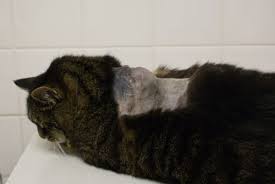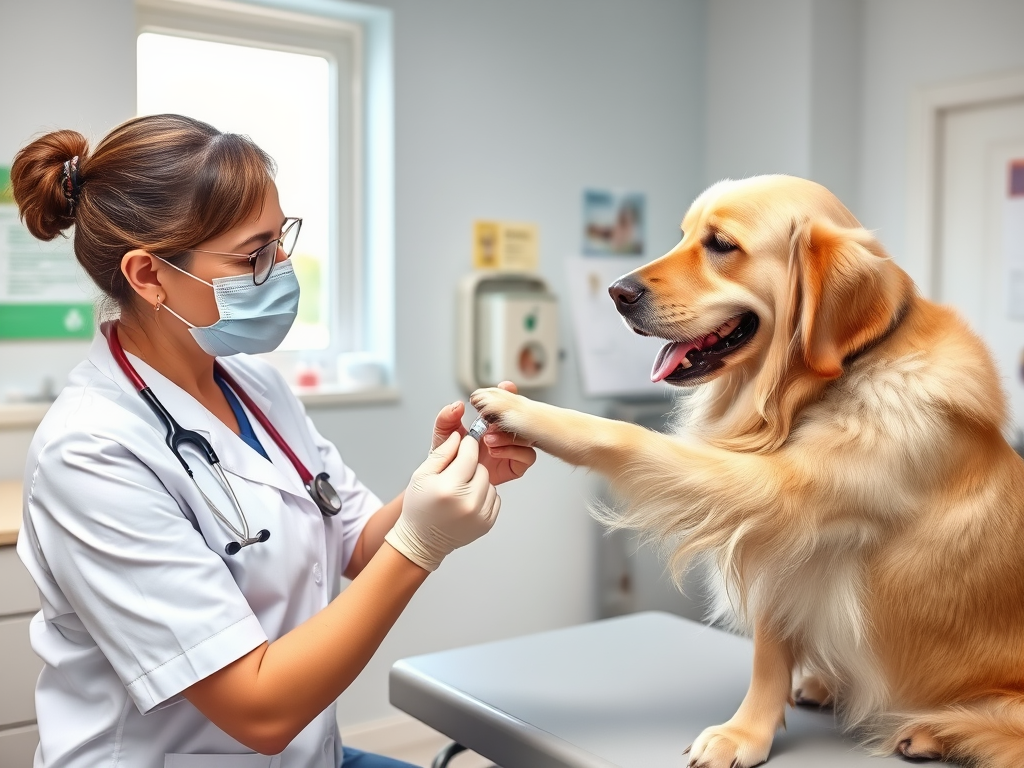
Vaccination is a key tool to protect the health of our dogs and cats against infectious diseases, many of which are potentially fatal. In this article, we clearly and currently discuss the types of vaccines available in Spain, the vaccination protocol, the benefits of immunization, and the possible adverse reactions that may arise, as well as their treatment.
What are vaccines and how do they work?
Vaccines stimulate the animal’s immune system to learn how to defend itself against a specific disease. There are several types of vaccines based on their composition and mechanism of action:
-
Live attenuated (active) vaccines: contain live, modified microorganisms that do not cause disease but generate a strong immune response.
-
Inactivated (killed) vaccines: the pathogen is dead, so they are safer for immunocompromised animals, although they usually require more boosters or adjuvants.
-
Recombinant vaccines: produced using genetic engineering, combining safety and efficacy.
-
Subunit vaccines: only contain parts of the microorganism (specific antigens), minimizing the risk of adverse effects.
Are vaccines mandatory?
In Spain, only rabies vaccination is mandatory in most autonomous communities, although the requirements vary by region. For example, in Andalusia, rabies vaccination is mandatory annually, while in Catalonia it is not compulsory, except for travel or identification of potentially dangerous dogs.
Core and non-core vaccines in dogs and cats
Vaccines are classified as core (essential) and non-core (optional) depending on the risk of exposure, the severity of the disease, and the possibility of transmission to humans.
Essential vaccines in dogs:
- Canine distemper
- Canine parvovirus
- Infectious hepatitis
- Rabies (according to regional legislation)
Optional vaccines in dogs:
- Canine leptospirosis
- Kennel cough (parainfluenza and Bordetella)
- Canine leishmaniasis (in endemic areas)
Essential vaccines in cats:
- Feline herpesvirus type 1 (rhinotracheitis)
- Feline calicivirus
- Feline panleukopenia
- Rabies (depending on region)
Optional vaccines in cats:
- Feline leukemia virus (FeLV)
- Feline immunodeficiency virus (FIV) – Currently not available in Spain.
- Chlamydia felis
- Feline infectious peritonitis (FIP) – Vaccine with limitex use and disputed efficacy.
Puppy and kitten vaccination schedule
Dogs:
- 6-8 weeks: Parvovirus ± Distemper
- 9-11 weeks: Combination vaccine
- 12-14 weeks: Combination vaccine booster
- 12 weeks: Rabies
- Annually or according to individualized protocol: Boosters
Cats:
- 6-8 weeks: Feline trivalent vaccine
- 9-11 weeks: Second dose
- 12-14 weeks: Final booster ± FeLV if necessary
- 12 weeks: Rabies if necessary
- Annual check-up: To adjust re-vaccination
Benefits of Vaccination
- Prevents severe or fatal diseases
- Reduces the risk of transmission to other animals
- Decreases the need for medication and hospitalizations
- Helps control zoonotic diseases (diseases that can be transmitted to humans)
- Prolongs the life and improves the quality of life of our pets
Adverse Reactions to Vaccines: What to Expect and How to Act
Although vaccines are generally very safe, they can occasionally cause side effects, most of which are mild and temporary. However, it is important to be aware of the warning signs.
Mild Reactions (common and self-limiting):
Symptoms:
- Pain, swelling, or redness at the injection site
- Lethargy or drowsiness
- Decreased appetite
- Mild fever
- Mild lethargy
Treatment:
- Observation at home
- If significant local discomfort: Apply local cold for a few minutes and/or administer anti-inflammatory (prescribed by the veterinarian)
- If symptoms persist for more than 48 hours, consult your veterinarian
Moderate or Severe Reactions (uncommon):
Acute allergic reaction (anaphylaxis):
Symptoms:
- Facial or lip swelling
- Hives (raised bumps on the skin)
- Vomiting or explosive diarrhea
- Difficulty breathing
- Collapse
Treatment:
- Immediate veterinary emergency
- Administration of antihistamines, corticosteroids, and, in severe cases, adrenaline
- Oxygen therapy, fluid therapy, and hospitalization if necessary
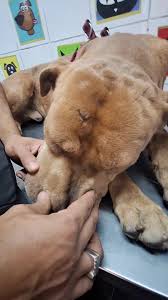
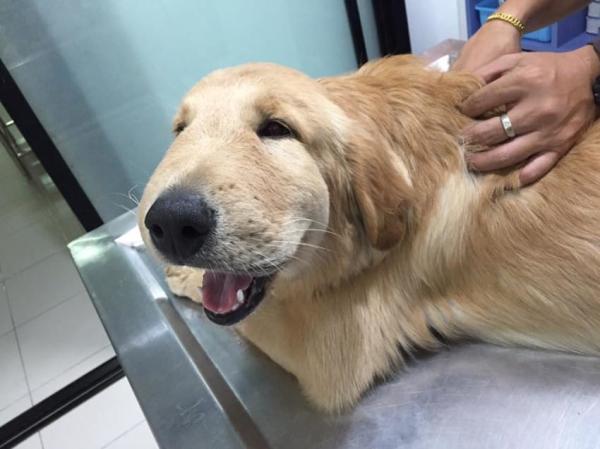
Post-vaccination granulomas or sarcomas (rare in cats):
Symptoms:
- Firm mass at the injection site that does not disappear within 3-4 weeks or grows
- Possible ulceration or persistent inflammation
Treatment:
- Initial monitoring
- If it persists or grows, biopsy or surgical removal
- Oncological follow-up according to results