
New genetic evidence reveals ancient bond between humans and dogs dating back 16,000 years
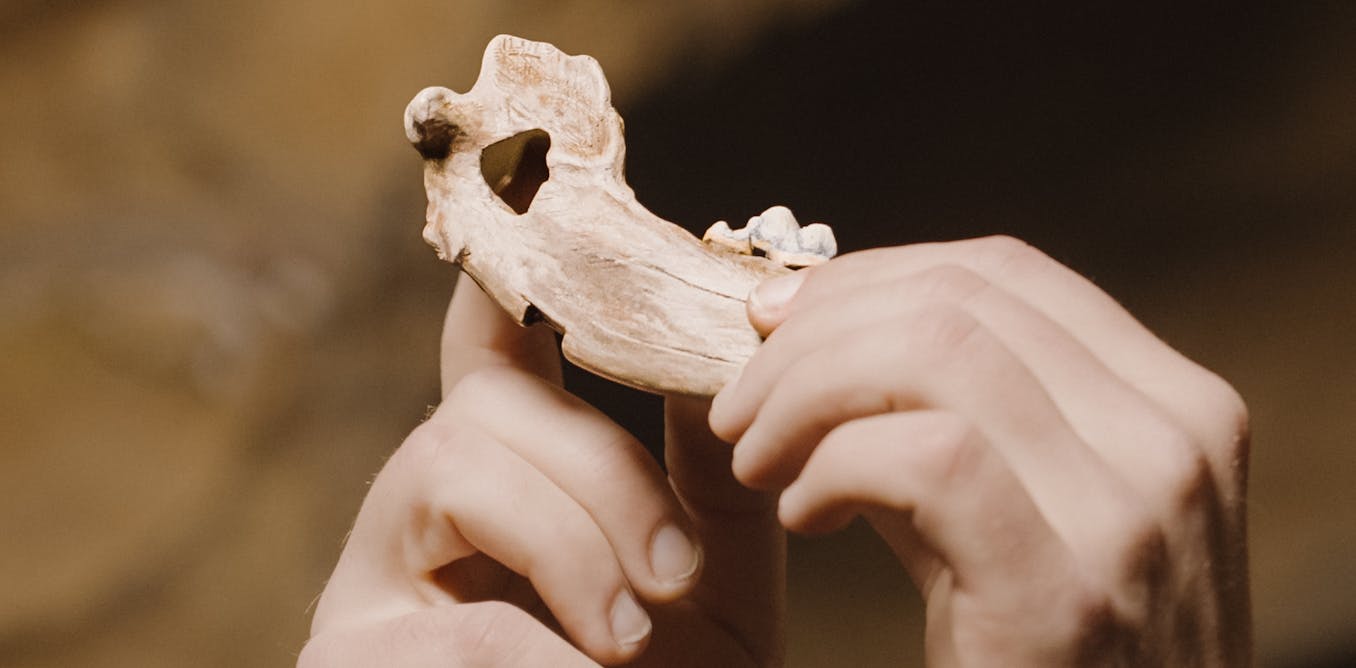
 Recent research published in *Nature* has provided groundbreaking insights into how deeply dogs have been connected to human societies for around 16,000 years. The studies, involving decades of collaborative archaeological and genetic work, have shown that dogs were the first animals domesticated by humans, long before the rise of farming. Ancient DNA (aDNA) from bones found at Pınarbaşı in central Turkey confirms the earliest known dog lived about 15,800 years ago. These carefully buried dog pups were fed diets similar to nearby humans, demonstrating their role as integral companions rather than scavengers on the edges of human camps. Further DNA evidence connects these early Turkish dogs to others found as far away as Britain’s Gough’s Cave, showing that dogs migrated alongside human groups across great distances during the Ice Age. A second study from Boncuklu, an 11,000-year-old farming village in Turkey, suggests that early agricultural societies also buried pups in human graves, continuing the close human-canine bond. As farmers spread into Europe around 8,500 years ago, they brought genetically related dogs with them. These dogs interbred with local European ones but were not replaced entirely. Together, the findings highlight that dogs weren’t just working animals but became social companions embedded in everyday life, a relationship that has endured and evolved over millennia.