

The pine processionary caterpillar (Thaumetopoea pityocampa) poses a serious danger to our pets, especially in the spring months when they descend from trees in search of a place to bury themselves and complete their life cycle. In this article, we will discuss its life cycle, the risk it poses to dogs and cats, treatment in case of contact, prognosis, and preventive measures.
Life Cycle of the Processionary Caterpillar
The life cycle of the processionary caterpillar consists of several phases:
- Egg: Eggs are laid in the tops of pine trees during the summer.
- Larva: During autumn and winter, the caterpillars develop in nests on pine trees and feed on their needles.
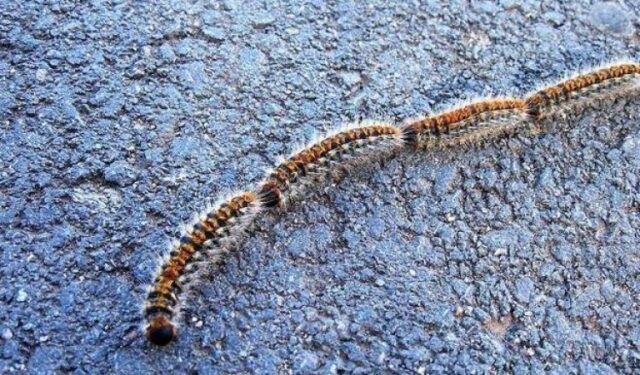
- Procession: At the end of winter and the beginning of spring, they descend in a line to the ground, looking for a place to bury themselves.
- Pupa: In the soil, the caterpillars form chrysalises and remain buried for months or even years until they become butterflies.
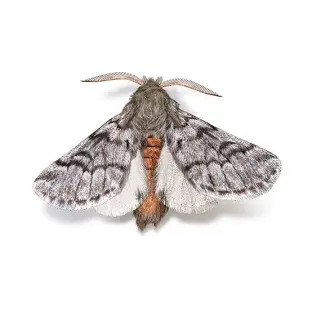
- Adult: The butterfly emerges in summer, mates, and the cycle begins again.
Danger to Pets
Pine processionary caterpillars are covered with urticating hairs that contain a toxin called thaumetopoein, which can cause allergic reactions and severe damage to pets if they touch, lick, or bite them. The most common symptoms include:
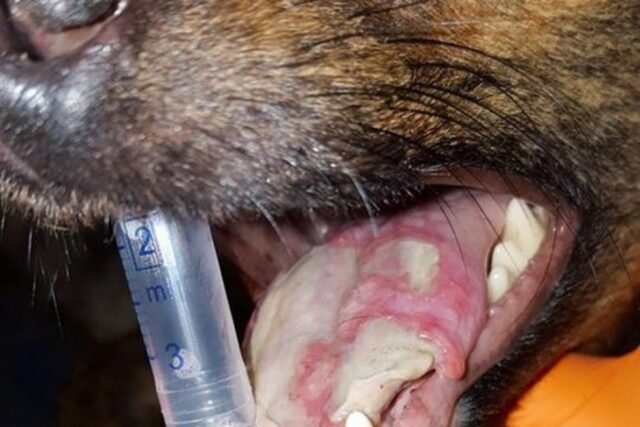
- Severe inflammation of the mouth and tongue: Redness, swelling, and excessive drooling.
- Intense pain: The animal may try to scratch its face desperately.
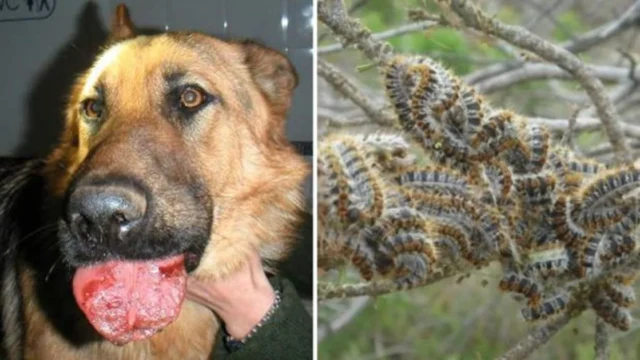
- Tongue necrosis: In severe cases, it can lead to the loss of part of the tongue tissue.
- Difficulty breathing: If the toxin reaches the throat.
- Severe allergic reactions: It can result in anaphylactic shock.
Treatment in Case of Contact
If you suspect that your pet has come into contact with a processionary caterpillar, act quickly:
- Prevent them from licking to stop the toxin from spreading further.
- Wash the affected area with warm water (never hot, as this can release more toxins).
- Do not rub or manipulate the area excessively.
- Take your pet to the veterinarian immediately
, where they may administer:
- Corticosteroids: Dexamethasone (0.1-0.2 mg/kg IV) or methylprednisolone (1-2 mg/kg IV) to reduce inflammation.
- Antihistamines: Diphenhydramine (1-2 mg/kg IM or IV) or cetirizine (1 mg/kg PO every 12-24 h) to control the allergic reaction.
- Analgesia: Buprenorphine (0.01-0.02 mg/kg IV or IM) or opioids as needed.
- Intravenous fluid therapy in severe cases to stabilize the patient.
- Antibiotics: Enrofloxacin (5 mg/kg PO or SC every 24 h) or amoxicillin-clavulanic acid (12.5-25 mg/kg PO every 12 h) if necrosis or secondary infection risk is present.
Prognosis
The prognosis depends on how quickly treatment is administered. If treatment is immediate, inflammation usually subsides within a few days without serious consequences. However, in cases where tongue necrosis is extensive, the animal may lose part of the tongue, affecting its ability to eat and drink. In the most severe cases, contact with the processionary caterpillar can be fatal if it leads to anaphylactic shock.
Precautions to Prevent Contact
To protect our pets, we should take some preventive measures:
- Avoid walks in pine tree areas during spring.
- Watch the ground for caterpillar processions.
- Keep pets on a leash to prevent them from investigating with their noses.
- If you have a garden with pine trees, consult professionals to safely remove nests.
- Teach dogs to avoid insects and caterpillars.
The pine processionary caterpillar is a real danger to our pets, but with knowledge and prevention, we can minimize the risks and ensure their safety during this time of year.