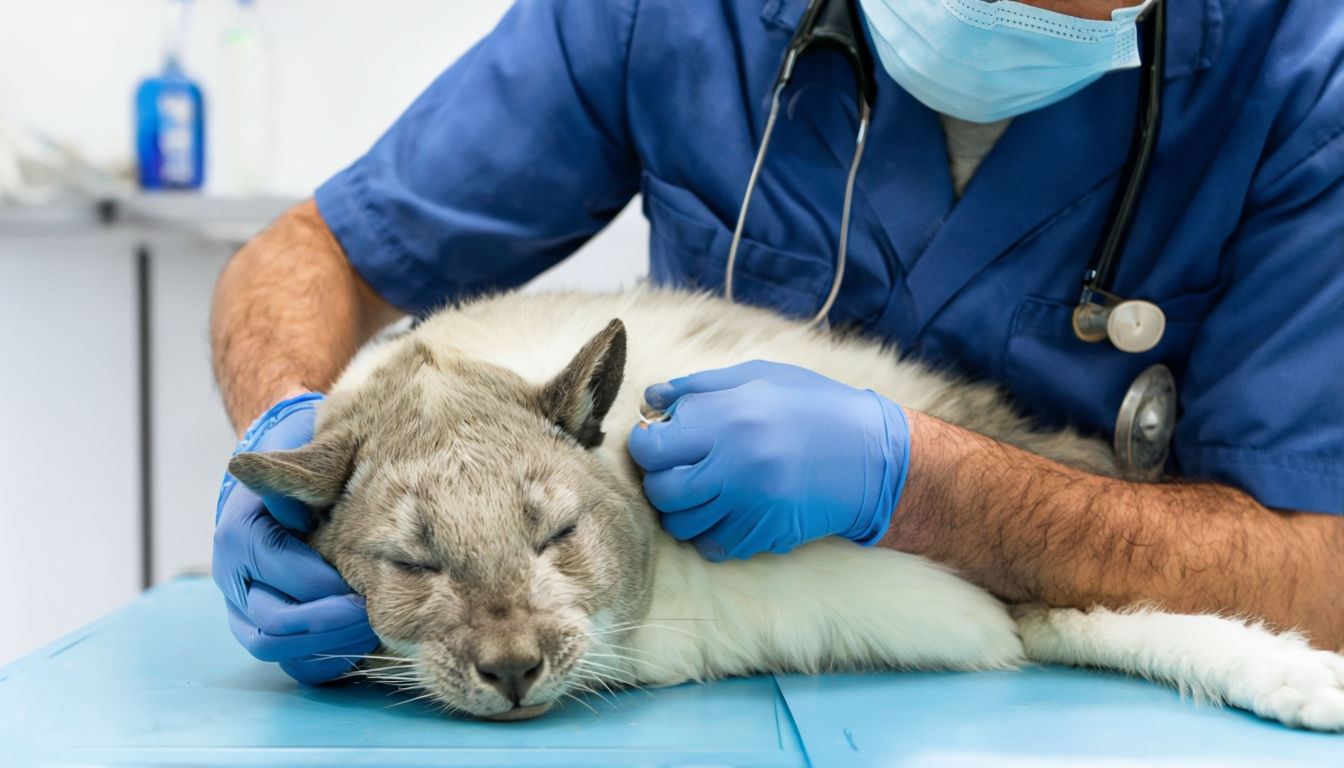
Euthanasia in veterinary medicine is one of the most complex and emotionally charged procedures faced by animal health professionals. It is often associated with making difficult decisions for both pet owners and veterinarians. While the primary goal of veterinary medicine is to provide care and alleviate suffering, there are situations in which euthanasia presents itself as the most compassionate option to end the pain of an animal that no longer has hope of recovery or well-being.
What is veterinary euthanasia?
Veterinary euthanasia is the act of intentionally ending an animal’s life in order to prevent unnecessary or irreparable suffering. In contrast to human euthanasia, which is regulated in many countries and subject to specific laws, veterinary euthanasia is often influenced by factors such as animal welfare, clinical conditions, and the veterinarian’s ethical judgment.
Euthanasia in animals is carried out using specific medications, usually a lethal injection of an intravenous barbiturate solution, such as pentobarbital, which induces deep sleep followed by death without pain or distress for the animal. This process, when performed correctly, is quick and painless.
There are several situations that may lead to the decision to practice euthanasia on an animal:
- Terminal diseases: Some diseases, such as advanced cancer, chronic kidney failure, neurodegenerative diseases, or severe infections, may be incurable and cause significant suffering. If there are no viable treatment options, euthanasia may be the best way to avoid prolonged suffering.
- Chronic and irreversible pain: In animals with severe and irreversible pain, such as untreatable fractures or severe degenerative joint diseases, euthanasia may be a way to prevent the animal from continuing to suffer.
- Lack of quality of life: In some cases, an animal may be in a condition that deeply affects its quality of life, for example, animals with paralysis, advanced blindness, or loss of basic functions (eating, moving, etc.), who no longer enjoy their environment or show interest in normal activities.
- Dangerous or irreversible behaviors: In situations where an animal exhibits extreme aggression due to neurological diseases or psychiatric disorders that cannot be adequately treated, euthanasia may also be considered if it poses a risk to its well-being or that of those around it.
Making the decision to practice euthanasia on an animal is not easy. Often, this decision falls on the owners, although veterinarians play a key role in providing objective information and emotional support. There are several ethical aspects to be considered:
- Animal welfare: The fundamental principle is to ensure that the animal does not suffer unnecessarily. Veterinarians must assess whether the animal’s quality of life has decreased so much that its suffering outweighs any benefits it might still gain from being alive.
- Emotional impact on owners: Pet owners may face feelings of guilt, sadness, and confusion when making the decision for euthanasia. The veterinarian must offer emotional support and guide the family through this difficult process.
- Objective medical criteria: Sometimes, the decision for euthanasia must be based on clear medical criteria, such as the irreversibility of the disease or chronic suffering that cannot be controlled in any other way. However, not all cases are so clear, requiring open discussion between the owner and the veterinarian.
The euthanasia process in veterinary medicine
The euthanasia process in a veterinary context is usually carried out in a calm and controlled environment, preferably in a private consultation or at the animal’s home, if requested by the owner. The general steps are as follows:
- Preparation of the animal: The animal is calmed before the lethal injection to avoid any distress. In some cases, a sedative may be administered beforehand.
- Administration of the medication: The injection of pentobarbital or other barbiturates is administered intravenously, inducing deep coma followed by death.
- Verification of death: After the solution is administered, the veterinarian verifies death by ensuring that there are no signs of life. This includes checking for the absence of heartbeats and respiration.
- Goodbye and post-mortem handling: After death, the owners have a moment to say goodbye to their pet if they wish. Afterwards, options for the animal’s body disposition are discussed, such as cremation or burial.
Legal and regulatory considerations
Veterinary euthanasia, while generally accepted as a legitimate medical practice in many countries, is subject to regulations that govern its execution. Some of the legal aspects include:
- Owner’s consent: In many places, the owner must sign a consent form before proceeding with euthanasia.
- Medication regulation: The use of substances such as barbiturates is regulated due to their potential for misuse, and they must only be administered by qualified professionals.
- Animal welfare requirements: Animal welfare laws often require that euthanasia be performed humanely, without unnecessary suffering.
Veterinary euthanasia is a deeply emotional and ethical act that involves making difficult decisions for the well-being of a non-human loved one. While veterinary medicine is focused on curing and alleviating suffering, at times the most compassionate and humane option is to end an animal’s suffering peacefully. The key lies in balancing medical knowledge, sensitivity to the animal’s well-being, and providing emotional support to the owners, who are facing the goodbye of a loyal companion.